Tall Building Design: Steel, Concrete, and Composite Systems 🏙️🔩🏗️
Introduction 🌍🏢
Tall buildings are among the most impressive achievements in modern engineering. From iconic skyscrapers in New York and London to modern towers in Dubai, Toronto, and Sydney, tall structures represent innovation, technology, creativity, and human ambition. Engineers and architects continuously push the limits of height, safety, sustainability, and efficiency.
Tall building design is not simply about making a structure taller. It is a highly advanced engineering discipline that combines structural analysis, material science, wind engineering, geotechnical engineering, construction technology, environmental systems, and architectural planning. Every tall building must resist gravity loads, wind loads, seismic forces, temperature changes, and long-term material behavior while remaining safe, economical, and comfortable for occupants.
Modern skyscrapers are commonly designed using three major structural approaches:
- Steel systems 🔩
- Reinforced concrete systems 🧱
- Composite systems ⚙️
Each system has unique advantages, limitations, costs, construction methods, and performance characteristics. Selecting the correct system is one of the most important decisions in structural engineering.
Tall buildings are becoming more common because urban populations are increasing rapidly. Cities need to use land more efficiently, especially in crowded areas where land prices are extremely high. Instead of building outward, cities are building upward.
For engineering students, understanding tall building systems is essential because skyscraper construction represents the intersection of advanced theory and real-world engineering practice. For professionals, mastering these systems helps improve project performance, reduce costs, increase sustainability, and ensure safety.
This comprehensive article explains the theory, design principles, construction methods, comparisons, applications, and engineering challenges of tall building systems. Whether you are a beginner or an experienced engineer, this guide will provide practical and technical insight into modern skyscraper engineering. 🚀
Background Theory 📘🏗️
The history of tall building design is closely connected to advances in engineering materials and construction technology.
Early Tall Buildings
Before the late 19th century, buildings were limited in height because masonry walls had to carry the full structural load. As buildings became taller, the lower walls had to become extremely thick, reducing usable floor space.
The invention of steel framing revolutionized construction. Engineers could now create skeleton structures where steel columns and beams carried the loads instead of thick masonry walls.
The development of elevators also made skyscrapers practical. Without elevators, tall buildings would not be convenient for daily use.
Development of Structural Systems
As building heights increased, engineers faced new challenges:
- Wind-induced sway 🌪️
- Earthquake resistance 🌍
- Foundation settlement
- Material weight
- Structural efficiency
- Construction speed
- Fire protection 🔥
To solve these problems, engineers developed advanced structural systems including:
- Rigid frames
- Shear walls
- Tube systems
- Braced frames
- Outrigger systems
- Diagrid systems
- Composite mega structures
Evolution of Materials
Steel Development 🔩
Steel became popular because of:
- High tensile strength
- Fast construction
- Long spans
- Reduced structural weight
- Prefabrication capability
Reinforced Concrete Development 🧱
Concrete improved because of:
- Better compressive strength
- Improved durability
- Fire resistance
- Lower maintenance
- Economic local production
Composite Construction ⚙️
Composite systems combine steel and concrete to achieve:
- Greater efficiency
- Improved stiffness
- Faster construction
- Better load distribution
- Optimized cost-performance balance
Structural Behavior of Tall Buildings
Tall buildings behave differently from low-rise structures.
For low-rise buildings, gravity loads dominate design. However, for tall buildings, lateral forces become extremely important.
The taller the building becomes, the greater the effect of:
- Wind pressure
- Dynamic motion
- Seismic activity
- Structural drift
- Human comfort issues
Engineers must control both:
- Strength 💪
- Serviceability 📏
A building may be structurally safe but still uncomfortable if excessive sway causes occupant discomfort.
Load Transfer Mechanism
In tall buildings, loads move through several stages:
- Floor slabs transfer loads to beams
- Beams transfer loads to columns
- Columns transfer loads to foundations
- Foundations transfer loads to soil
Lateral forces are resisted using:
- Bracing systems
- Shear walls
- Core systems
- Outriggers
- Tube structures
Understanding load paths is fundamental in skyscraper engineering.
Technical Definition 🧠📐
Tall building design is the engineering process of planning, analyzing, and constructing high-rise structures capable of resisting gravity, wind, seismic, thermal, and environmental loads while ensuring structural safety, occupant comfort, durability, functionality, and economic efficiency.
Definition of Steel Structural System
A steel structural system uses steel columns, beams, braces, and frames as the primary load-carrying elements.
Key characteristics include:
- High strength-to-weight ratio
- Fast erection speed
- Long-span capability
- Flexibility in architectural design
Definition of Reinforced Concrete System
A reinforced concrete structural system uses concrete combined with steel reinforcement bars to resist compressive and tensile forces.
Main features include:
- Excellent compressive strength
- High stiffness
- Strong fire resistance
- Better vibration control
Definition of Composite Structural System
A composite system combines steel and concrete components to utilize the best properties of both materials.
Examples include:
- Steel beams with concrete slabs
- Concrete-filled steel tubes
- Composite columns
- Steel frame with concrete core
Composite structures are widely used in modern supertall buildings because they improve efficiency and reduce overall structural limitations.
Steel Systems in Tall Building Design 🔩🏙️
Structural Components of Steel Buildings
🏗️ Steel tall buildings commonly include:
- Steel columns
- Steel beams
- Bracing systems
- Connections
- Floor decking
- Core structures
Advantages of Steel Systems ✅
High Strength-to-Weight Ratio
Steel is extremely strong while remaining relatively lightweight.
Benefits include:
- Smaller foundations
- Reduced seismic loads
- Faster transportation
- Easier handling
Faster Construction 🚧
Steel members are prefabricated in factories.
This allows:
- Rapid assembly
- Reduced labor time
- Better quality control
- Less site congestion
Architectural Flexibility 🎨
Steel permits:
- Long spans
- Open spaces
- Creative shapes
- Large glass facades
Easier Modification
Steel structures can often be modified more easily than concrete structures.
Disadvantages of Steel Systems ❌
Fire Vulnerability 🔥
Steel loses strength rapidly at high temperatures.
Fireproofing materials are necessary.
Corrosion Issues
Steel may corrode due to:
- Moisture
- Chemicals
- Environmental exposure
Protective coatings are required.
Higher Material Cost
Steel prices fluctuate significantly depending on market conditions.
Common Steel Structural Systems
Moment Resisting Frames
These frames resist lateral forces through rigid beam-column connections.
Advantages:
- Flexible layouts
- Good ductility
Disadvantages:
- High drift in very tall buildings
Braced Frames
Diagonal braces improve lateral stiffness.
Types include:
- X-bracing
- K-bracing
- Chevron bracing
Tube Structures 🏢
Tube systems act like hollow cantilever tubes.
Examples:
- Framed tube
- Bundled tube
- Tube-in-tube
These systems are highly efficient for supertall structures.
Diagrid Systems
Diagrids use diagonal steel members instead of vertical columns.
Benefits:
- Reduced material usage
- Unique architecture
- Improved stiffness
Steel Connections 🔧
Connections are critical in steel design.
Types include:
- Bolted connections
- Welded connections
- Semi-rigid connections
Connection design directly affects:
- Structural stability
- Seismic performance
- Construction speed
Concrete Systems in Tall Building Design 🧱🏗️
Reinforced Concrete Components
Concrete tall buildings commonly use:
- Reinforced slabs
- Shear walls
- Concrete columns
- Transfer girders
- Concrete cores
Advantages of Concrete Systems ✅
Excellent Fire Resistance 🔥
Concrete naturally resists high temperatures.
This reduces fireproofing costs.
High Stiffness
Concrete buildings often experience less sway.
This improves occupant comfort.
Durability 🌧️
Concrete performs well in harsh environments.
It resists:
- Weathering
- Corrosion
- Moisture
Cost Effectiveness
In many countries, concrete is cheaper and locally available.
Disadvantages of Concrete Systems ❌
Heavy Self-Weight
Concrete structures are heavier than steel structures.
This increases:
- Foundation loads
- Seismic forces
- Transportation challenges
Slower Construction ⏳
Concrete requires:
- Formwork
- Curing time
- On-site casting
Shrinkage and Creep
Concrete experiences long-term deformation.
This affects:
- Column shortening
- Structural alignment
- Differential settlement
Shear Wall Systems
Shear walls resist lateral loads efficiently.
Advantages:
- High stiffness
- Good seismic resistance
- Reduced drift
Core Systems
Concrete cores are widely used in skyscrapers.
The core contains:
- Elevators
- Staircases
- Mechanical systems
The core also acts as the primary lateral-force-resisting element.
High-Strength Concrete 🧪
Modern skyscrapers use ultra-high-strength concrete.
Benefits:
- Smaller columns
- Higher load capacity
- Improved durability
Some modern towers use concrete strengths exceeding 100 MPa.
Composite Systems in Tall Building Design ⚙️🏢
What Is Composite Construction?
Composite construction combines steel and concrete so both materials work together structurally.
The goal is to maximize the advantages of each material.
Common Composite Elements
Composite Beams
Steel beams support concrete slabs.
Shear connectors ensure composite action.
Concrete-Filled Steel Tubes
Steel tubes are filled with concrete.
Advantages:
- High strength
- Improved ductility
- Fire resistance
Steel Frame with Concrete Core
This is one of the most common modern systems.
The concrete core resists lateral loads while steel framing supports gravity loads.
Advantages of Composite Systems ✅
Structural Efficiency
Composite systems achieve excellent strength and stiffness.
Faster Construction 🚀
Steel erection and concrete placement can occur simultaneously.
Reduced Member Size
Composite members often require smaller dimensions.
Better Fire Performance
Concrete protects steel elements.
Disadvantages of Composite Systems ❌
Complex Design
Composite interaction requires advanced analysis.
More Complicated Connections
Connection detailing becomes more difficult.
Skilled Labor Requirement
Composite systems require experienced construction teams.
Step-by-Step Explanation of Tall Building Design 📋🏗️
Step 1: Site Investigation 🌍
Engineers first study:
- Soil conditions
- Groundwater level
- Seismic zone
- Wind climate
- Environmental factors
Geotechnical investigations determine foundation requirements.
Step 2: Architectural Planning 🎨
Architects and engineers coordinate:
- Building height
- Floor layout
- Structural grid
- Functional spaces
- Aesthetic goals
Step 3: Selection of Structural System ⚙️
Engineers choose between:
- Steel
- Concrete
- Composite
Selection depends on:
- Cost
- Height
- Location
- Construction speed
- Labor availability
Step 4: Load Calculation 📐
Engineers calculate:
Dead Loads
Permanent structural loads.
Live Loads
Occupancy loads.
Wind Loads 🌪️
Critical for tall buildings.
Seismic Loads 🌍
Important in earthquake-prone regions.
Step 5: Structural Analysis 💻
Software tools are used to analyze:
- Structural stability
- Dynamic response
- Drift
- Stress distribution
- Vibration behavior
Popular software includes:
- ETABS
- SAP2000
- STAAD.Pro
- SAFE
- Revit Structure
Step 6: Foundation Design 🏗️
Common foundation systems include:
- Raft foundations
- Pile foundations
- Caissons
Tall buildings require extremely strong foundations.
Step 7: Wind Engineering 🌬️
Wind tunnel testing is often required.
Engineers evaluate:
- Aerodynamic effects
- Building sway
- Vortex shedding
- Pedestrian wind comfort
Step 8: Seismic Design 🌍
Earthquake-resistant design includes:
- Ductile detailing
- Energy dissipation
- Base isolation
- Structural redundancy
Step 9: Construction Planning 🚧
Construction sequencing affects:
- Cost
- Safety
- Schedule
- Material delivery
Step 10: Safety and Serviceability Checks ✅
Engineers verify:
- Strength
- Deflection
- Drift limits
- Human comfort
- Fire resistance
Comparison Between Steel, Concrete, and Composite Systems ⚖️
| Feature | Steel System 🔩 | Concrete System 🧱 | Composite System ⚙️ |
|---|---|---|---|
| Weight | Light | Heavy | Moderate |
| Construction Speed | Fast | Slower | Fast |
| Fire Resistance | Moderate | Excellent | Good |
| Cost | High | Moderate | Moderate to High |
| Flexibility | Excellent | Moderate | Excellent |
| Durability | Requires protection | Very durable | Durable |
| Seismic Performance | Excellent | Good | Excellent |
| Drift Control | Moderate | Excellent | Excellent |
| Foundation Size | Smaller | Larger | Moderate |
| Architectural Freedom | Very high | Moderate | Very high |
Summary of Comparison
Steel structures are ideal when speed and flexibility are priorities.
Concrete structures are excellent for stiffness, durability, and fire resistance.
Composite systems provide balanced performance and are increasingly preferred for supertall buildings.
Structural Diagrams and Concepts 📊🏢
Basic Load Transfer Diagram
Floor Slab
    ↓
Beams
    ↓
Columns/Core
    ↓
Foundation
    ↓
Soil
Simplified Tube Structure Concept
|\                /|
| \              / |
|  \            /  |
|   \          /   |
|    \________/    |
Simplified Outrigger System
     | |
=====| |=====
     | |
=====| |=====
     | |
Outrigger systems connect the central core to perimeter columns to improve stiffness.
Examples of Famous Tall Buildings 🌆✨
Burj Khalifa – UAE 🇦🇪
Height: 828 meters
Structural System:
- Reinforced concrete core
- Steel spire
- Buttressed core system
Important features:
- Wind engineering optimization
- High-performance concrete
- Advanced pumping technology
Willis Tower – USA 🇺🇸
Structural System:
- Bundled tube steel system
Advantages:
- Efficient lateral resistance
- Reduced structural material
Shanghai Tower – China 🇨🇳
Structural System:
- Composite mega-frame
- Concrete core
Features:
- Twisting aerodynamic form
- Double-skin facade
- Sustainability technologies
The Shard – UK 🇬🇧
Structural System:
- Composite steel-concrete system
Features:
- Long-span steel framing
- Reinforced concrete core
Real World Applications 🌍🏗️
Commercial Towers 🏢
Tall buildings are used for:
- Office spaces
- Corporate headquarters
- Financial institutions
Residential Towers 🏠
High-rise residential buildings help cities manage population growth.
Mixed-Use Developments 🛍️
Modern skyscrapers combine:
- Apartments
- Hotels
- Offices
- Retail spaces
Hotels and Tourism 🏨
Luxury towers attract tourism and investment.
Smart Cities 🌐
Tall buildings are essential elements in modern smart cities.
Integrated technologies include:
- Energy monitoring
- Smart elevators
- Building automation
- Renewable energy systems
Wind Engineering in Tall Buildings 🌪️📏
Why Wind Is Critical
Wind forces increase dramatically with building height.
Problems caused by wind include:
- Structural drift
- Acceleration discomfort
- Cladding pressure
- Vortex shedding
Wind Tunnel Testing
Scale models are tested to evaluate:
- Pressure distribution
- Dynamic behavior
- Aerodynamic optimization
Methods for Reducing Wind Effects
Aerodynamic Shaping ✈️
Rounded corners and tapered forms reduce wind forces.
Tuned Mass Dampers ⚙️
Heavy masses reduce building motion.
Example:
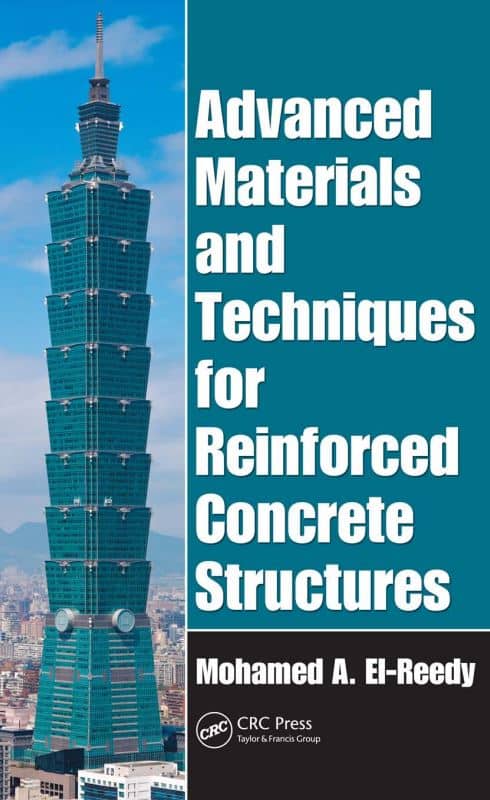
Taipei 101 uses a massive tuned damper.
Structural Stiffening
Additional bracing and outriggers improve resistance.
Seismic Design Considerations 🌍🏢
Earthquake Effects
Earthquakes generate lateral inertial forces.
Tall buildings must:
- Dissipate energy
- Prevent collapse
- Remain ductile
Seismic Design Principles
Ductility
Structures must deform without sudden failure.
Redundancy
Multiple load paths improve safety.
Energy Dissipation
Special devices absorb seismic energy.
Seismic Structural Systems
Common systems include:
- Braced frames
- Shear walls
- Moment frames
- Base isolation systems
Sustainability in Tall Building Design 🌱♻️
Importance of Sustainable Design
Tall buildings consume large amounts of:
- Energy
- Water
- Materials
Sustainable engineering reduces environmental impact.
Green Building Strategies 🌿
Energy-Efficient Facades
Modern facades improve thermal performance.
Renewable Energy ☀️
Buildings may include:
- Solar panels
- Wind turbines
- Geothermal systems
Water Conservation 💧
Systems include:
- Rainwater harvesting
- Greywater recycling
- Efficient plumbing
Sustainable Materials
Engineers increasingly use:
- Recycled steel
- Low-carbon concrete
- Green insulation materials
Green Certification Systems
Popular standards include:
- LEED
- BREEAM
- WELL Building Standard
Construction Techniques for Tall Buildings 🚧🏗️
Slip Form Construction
Used for concrete cores.
Advantages:
- Continuous operation
- Faster vertical construction
Climbing Formwork
Formwork moves upward automatically.
Prefabrication 🏭
Steel components are fabricated off-site.
Benefits:
- Better quality
- Faster assembly
- Reduced waste
Modular Construction 📦
Entire modules are manufactured in factories.
This approach is becoming more popular in high-rise construction.
Common Mistakes in Tall Building Design ❌⚠️
Underestimating Wind Effects
Ignoring dynamic wind behavior may cause:
- Excessive sway
- Occupant discomfort
- Structural damage
Poor Connection Design
Weak connections can lead to progressive collapse.
Ignoring Differential Shortening
Concrete columns shorten over time due to creep and shrinkage.
Inadequate Coordination
Lack of communication between:
- Architects
- Structural engineers
- MEP engineers
- Contractors
can create serious problems.
Improper Foundation Analysis
Foundation failure can compromise the entire structure.
Overcomplicated Structural Systems
Complex systems may:
- Increase costs
- Delay construction
- Create maintenance difficulties
Challenges and Solutions 🧩🔧
Challenge 1: Wind-Induced Motion 🌪️
Solution
- Tuned mass dampers
- Aerodynamic shaping
- Outrigger systems
Challenge 2: Construction Speed ⏳
Solution
- Prefabrication
- Composite construction
- Advanced scheduling
Challenge 3: Fire Safety 🔥
Solution
- Fireproof coatings
- Compartmentation
- Sprinkler systems
Challenge 4: Vertical Transportation 🛗
Solution
- Double-deck elevators
- Smart elevator systems
- Sky lobbies
Challenge 5: Material Cost 💰
Solution
- Structural optimization
- Value engineering
- Efficient material selection
Challenge 6: Sustainability ♻️
Solution
- Green materials
- Energy-efficient systems
- Renewable energy integration
Case Study: Burj Khalifa 🏙️🚀
Project Overview
The Burj Khalifa is currently the tallest building in the world.
Location:
- Dubai, UAE
Height:
- 828 meters
Structural System
The tower uses:
- Reinforced concrete buttressed core
- Steel spire
Engineering Challenges
Wind Forces 🌪️
Extreme height created major wind engineering challenges.
Concrete Pumping
Concrete had to be pumped to record-breaking heights.
Temperature Effects 🌡️
Dubai’s climate created thermal challenges.
Solutions Implemented
Aerodynamic Design
The building shape disrupts vortex formation.
High-Performance Concrete
Special concrete mixtures improved strength and durability.
Advanced Construction Technology
Engineers used sophisticated scheduling and monitoring systems.
Lessons Learned 📘
- Collaboration is essential
- Wind engineering is critical
- Construction planning affects success
- Innovation drives skyscraper development
Tips for Engineers 👷📚
Master Structural Fundamentals
Understand:
- Statics
- Dynamics
- Material mechanics
- Structural analysis
Learn Engineering Software 💻
Develop skills in:
- ETABS
- SAP2000
- Revit
- AutoCAD
- SAFE
Study Building Codes 📖
Important codes include:
- IBC
- Eurocodes
- ACI
- AISC
- ASCE 7
Improve Communication Skills 🗣️
Tall building projects require multidisciplinary teamwork.
Focus on Sustainability 🌱
Modern engineers must prioritize environmental performance.
Keep Learning 🚀
Engineering technology evolves rapidly.
Stay updated with:
- Research papers
- Conferences
- Professional certifications
- Industry trends
FAQs ❓🏗️
What is considered a tall building?
A tall building is generally a structure whose height significantly affects design, construction, and operation. Many organizations classify buildings over 50 meters as tall buildings.
Why are composite systems popular in skyscrapers?
Composite systems combine the advantages of steel and concrete, providing excellent strength, stiffness, fire resistance, and construction efficiency.
Which material is stronger: steel or concrete?
Steel is stronger in tension, while concrete is stronger in compression. This is why reinforced concrete combines both materials.
Why is wind engineering important in tall buildings?
Wind creates large lateral forces and motion in tall structures. Engineers must control sway to ensure safety and occupant comfort.
What is a tuned mass damper?
A tuned mass damper is a heavy mechanical device installed near the top of tall buildings to reduce vibrations and sway.
Why do skyscrapers use deep foundations?
Tall buildings generate enormous loads. Deep foundations transfer these loads safely into strong soil or rock layers.
What software is commonly used in tall building design?
Common software includes:
- ETABS
- SAP2000
- STAAD.Pro
- SAFE
- Revit Structure
Are tall buildings sustainable?
Modern tall buildings can be highly sustainable when designed with energy-efficient systems, renewable energy technologies, and green materials.
Future Trends in Tall Building Engineering 🔮🏙️
Super Tall and Mega Tall Structures
Cities continue to compete in building taller towers.
Engineers are exploring:
- Kilometer-high towers
- Floating skyscrapers
- Vertical cities
Smart Buildings 🤖
Artificial intelligence is increasingly integrated into building management systems.
Features include:
- Smart lighting
- Automated climate control
- Predictive maintenance
- Occupancy monitoring
Advanced Materials 🧪
Future materials may include:
- Carbon fiber composites
- Self-healing concrete
- Ultra-high-performance concrete
- Graphene-enhanced materials
Modular Mega Structures 📦
Prefabrication and modular systems will likely dominate future construction.
Benefits include:
- Faster construction
- Reduced waste
- Better quality control
Net-Zero Energy Towers 🌱
Future skyscrapers aim to produce as much energy as they consume.
Economic Considerations in Tall Building Projects 💰🏗️
Construction Costs
Tall buildings require major investments.
Cost factors include:
- Material prices
- Labor
- Land value
- Equipment
- Safety systems
Life-Cycle Cost Analysis
Engineers must evaluate:
- Initial cost
- Maintenance cost
- Operational energy
- Repair cost
- Future upgrades
Value Engineering 📊
Value engineering improves performance while reducing unnecessary costs.
Return on Investment
Tall buildings can generate large economic benefits through:
- Rental income
- Tourism
- Commercial activity
- Urban development
Fire Safety in Tall Buildings 🔥🚒
Importance of Fire Protection
Fire safety is one of the most critical aspects of skyscraper design.
Passive Fire Protection
Includes:
- Fire-resistant materials
- Compartment walls
- Protected structural elements
Active Fire Protection
Includes:
- Sprinkler systems
- Smoke extraction
- Fire alarms
- Emergency lighting
Evacuation Systems 🛗
Tall buildings require advanced evacuation planning.
Strategies include:
- Pressurized stairwells
- Refuge floors
- Firefighter elevators
Foundation Systems for Tall Buildings 🏗️🌍
Raft Foundations
Large concrete slabs distribute loads over wide areas.
Pile Foundations
Deep piles transfer loads to strong soil layers.
Caisson Foundations
Used for extremely heavy structures.
Foundation Challenges
Engineers must consider:
- Settlement
- Groundwater
- Soil variability
- Seismic response
Role of Building Information Modeling (BIM) 💻📐
What Is BIM?
Building Information Modeling is a digital process for managing building information.
Benefits of BIM
Improved Coordination
Different disciplines work together efficiently.
Clash Detection ⚠️
Software identifies conflicts before construction.
Better Visualization
3D models improve understanding.
Construction Management
BIM improves scheduling and cost control.
Importance of Building Codes and Standards 📚🏢
Why Codes Matter
Building codes ensure:
- Safety
- Reliability
- Uniform design standards
Important Standards
AISC
Steel design standards.
ACI
Concrete design standards.
Eurocodes
European engineering standards.
ASCE 7
Load determination standards.
Human Comfort in Tall Buildings 😊🏢
Occupant Comfort Factors
Tall building motion affects:
- Motion sickness
- Anxiety
- Productivity
Vibration Control
Engineers use:
- Dampers
- Stiffening systems
- Aerodynamic optimization
Acoustic Design 🔊
Noise control is important for comfort.
Digital Engineering and Artificial Intelligence 🤖📊
AI in Structural Engineering
Artificial intelligence helps with:
- Structural optimization
- Predictive maintenance
- Risk analysis
- Construction management
Digital Twins 🌐
Digital twins are virtual replicas of real buildings.
Benefits include:
- Real-time monitoring
- Maintenance prediction
- Performance analysis
Conclusion 🎯🏙️
Tall building design is one of the most fascinating and complex areas of modern engineering. The construction of skyscrapers requires advanced knowledge in structural engineering, materials science, geotechnical engineering, wind engineering, construction management, sustainability, and architecture.
Steel systems offer speed, flexibility, and high strength-to-weight ratios. Concrete systems provide stiffness, durability, and fire resistance. Composite systems combine the advantages of both materials, making them highly effective for modern supertall structures.
As urban populations continue to grow, tall buildings will remain essential for sustainable city development. Engineers must balance safety, efficiency, economics, environmental responsibility, and architectural beauty.
Modern skyscrapers are no longer just symbols of height. They represent innovation, sustainability, intelligence, and global engineering excellence. 🌍🏗️🚀
Future developments in smart technology, AI, advanced materials, modular construction, and renewable energy will continue transforming the field of tall building engineering.
For students, mastering the fundamentals of tall building systems creates opportunities in one of the most exciting engineering industries. For professionals, continuous learning and adaptation are essential for success in this rapidly evolving field.
The future skyline of the world will be shaped by engineers who understand not only how to build taller structures, but also how to build safer, smarter, greener, and more efficient cities for future generations. 🌱🏢✨