Tall Buildings Structural Systems and Aerodynamic Form
Introduction
Tall buildings, often synonymous with innovation and modernity, push the boundaries of architecture and engineering. As urbanization continues to rise, the need for efficient high-rise structures becomes increasingly crucial. The development of advanced structural systems and aerodynamic forms ensures that these towering structures remain stable, safe, and functional while meeting aesthetic and environmental demands. This article explores the intricate relationship between structural systems and aerodynamic designs, shedding light on their impact in shaping modern city skylines.
1. What Are Tall Buildings?
Tall buildings, also known as skyscrapers, are structures that exceed conventional low-rise and mid-rise building heights. While there is no universally accepted height requirement to classify a building as “tall,” buildings that surpass 150 meters (492 feet) are often categorized as skyscrapers, whereas those exceeding 300 meters (984 feet) are classified as supertall buildings.
Historical Evolution of Skyscrapers
The evolution of tall buildings can be traced back to:
- The 19th Century: The advent of steel-frame construction and the invention of the elevator paved the way for early skyscrapers like the Home Insurance Building in Chicago (1885).
- The 20th Century: The development of reinforced concrete and modernist design principles led to iconic structures such as the Empire State Building (1931) and Willis Tower (formerly Sears Tower, 1973).
- The 21st Century: Contemporary skyscrapers emphasize sustainability, energy efficiency, and aerodynamic optimization, as seen in structures like the Burj Khalifa and the Shanghai Tower.
Classifications of Tall Buildings
Tall buildings are generally classified into three categories:
- Skyscrapers: Buildings exceeding 150 meters.
- Supertall Buildings: Structures surpassing 300 meters.
- Megatall Buildings: Buildings exceeding 600 meters, such as the Burj Khalifa.
2. The Role of Structural Systems in Tall Buildings
A skyscraper’s structural system serves as the backbone, providing the necessary stability and support to withstand both gravitational and lateral forces.
Importance of Structural Integrity
Structural integrity is crucial in high-rise buildings to prevent collapse due to wind, seismic activity, and other external forces. The primary structural components include:
- Foundations: Deep foundations, such as piles and caissons, provide stability and distribute loads to bedrock.
- Columns and Core Systems: Vertical load-bearing elements that support the building’s weight and provide lateral resistance.
- Load-Bearing Walls: Used in some designs to enhance structural integrity.
Key Structural Systems Used in Tall Buildings
Several structural systems contribute to the safety and performance of skyscrapers:
- Braced Frame Systems: Diagonal bracing enhances lateral stability against wind and seismic forces.
- Tube Structures: External steel or concrete tubes provide rigidity and distribute loads efficiently (e.g., Willis Tower).
- Outrigger Systems: Horizontal structural elements that connect the core to perimeter columns, improving stiffness (e.g., Taipei 101).
- Diagrid Systems: Triangular frameworks that optimize material use while enhancing strength (e.g., The Gherkin in London).
- Exoskeleton Structures: External load-bearing frames that reduce the need for internal columns, enhancing usable space.
3. Understanding Aerodynamic Form in Tall Buildings
Aerodynamic design plays a critical role in reducing wind resistance and mitigating forces that could compromise structural stability.
Definition and Principles of Aerodynamic Form
Aerodynamic form refers to architectural and structural modifications designed to minimize wind loads and vortex shedding, which can cause oscillations or discomfort in tall buildings.
Factors Influencing Aerodynamic Design
Several factors affect how a skyscraper interacts with its surrounding environment:
- Wind Loads: High-rise buildings must resist strong wind forces that increase with height.
- Vortex Shedding: Wind flowing around a building can create alternating pressure zones, inducing vibrations.
- Climate Considerations: Temperature fluctuations, humidity, and seismic activity influence design choices.
- Surrounding Topography: The presence of nearby structures affects airflow and wind pressure.
Examples of Aerodynamic Features in Skyscrapers
To counteract wind forces, engineers incorporate the following design elements:
- Tapering: Reducing the building’s width at higher levels decreases wind pressure.
- Setbacks: Staggered designs break up wind flow and reduce oscillations.
- Rounded Edges: Curved forms minimize wind resistance and vortex shedding.
- Twisting Designs: Buildings like the Shanghai Tower twist along their height to reduce wind impact.
- Porous Facades: Openings or gaps in the structure allow wind to pass through, decreasing pressure buildup.
4. Why Structural Systems and Aerodynamic Form Matter
Mitigating Wind-Induced Vibrations
Without proper design considerations, wind-induced vibrations can lead to discomfort or structural instability. Techniques such as tuned mass dampers (TMDs), slosh dampers, and aerodynamic shaping help counteract these effects.
Enhancing Energy Efficiency and Sustainability
Advanced structural and aerodynamic designs improve sustainability by:
- Reducing material usage without compromising strength.
- Minimizing energy consumption through passive design strategies.
- Incorporating renewable energy sources like solar panels and wind turbines.
- Utilizing natural ventilation and daylighting to reduce HVAC dependency.
Boosting Architectural Aesthetics
Aerodynamic forms not only improve functionality but also contribute to striking architectural expressions. Iconic skyscrapers often become symbols of technological advancement and urban identity.
5. Notable Examples of Engineering Marvels
Several tall buildings exemplify the successful integration of structural and aerodynamic principles:
- Burj Khalifa (Dubai, UAE): Features a bundled-tube system and tapered design to counteract wind forces.
- Shanghai Tower (China): A twisting structure that reduces wind loads by 24%.
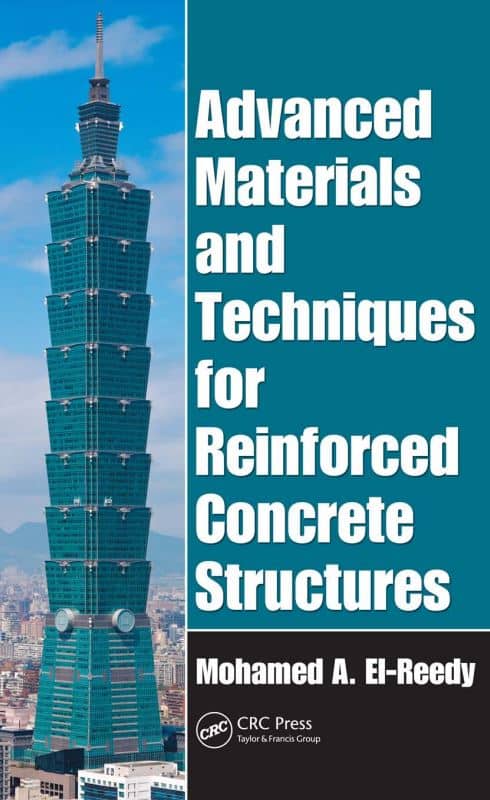
- Taipei 101 (Taiwan): Incorporates a massive tuned mass damper to mitigate seismic and wind-induced vibrations.
- One World Trade Center (USA): Utilizes a tapering form and reinforced concrete core for enhanced stability.
- The Shard (UK): Sharp, tapering design reduces wind resistance and improves structural efficiency.
6. Innovations in Structural Systems and Aerodynamic Design
Smart Materials and Technologies
Emerging materials such as shape-memory alloys, self-healing concrete, and carbon-fiber composites enhance resilience and durability.
Computational Modeling for Precision
Advanced simulation tools like CFD (Computational Fluid Dynamics) allow engineers to predict wind effects and optimize designs before construction begins.
Future Trends in Tall Building Design
- Vertical Cities: Integrating mixed-use spaces to reduce urban sprawl.
- AI-Driven Architecture: Using machine learning to optimize structural efficiency.
- Sustainable Skyscrapers: Implementing green roofs, solar facades, and energy-harvesting technologies.
- Floating Skyscrapers: Future concepts of airborne or water-based high-rise structures.
Conclusion
Tall buildings epitomize the fusion of art and engineering, where structural systems and aerodynamic forms work in harmony to create functional, safe, and aesthetically striking skyscrapers. As advancements in technology, materials, and computational modeling continue, the future of tall building design promises even greater innovations, pushing the boundaries of what is possible in urban development. With a growing emphasis on sustainability, energy efficiency, and resilience, the skyscrapers of tomorrow will redefine how we live and interact within the built environment.