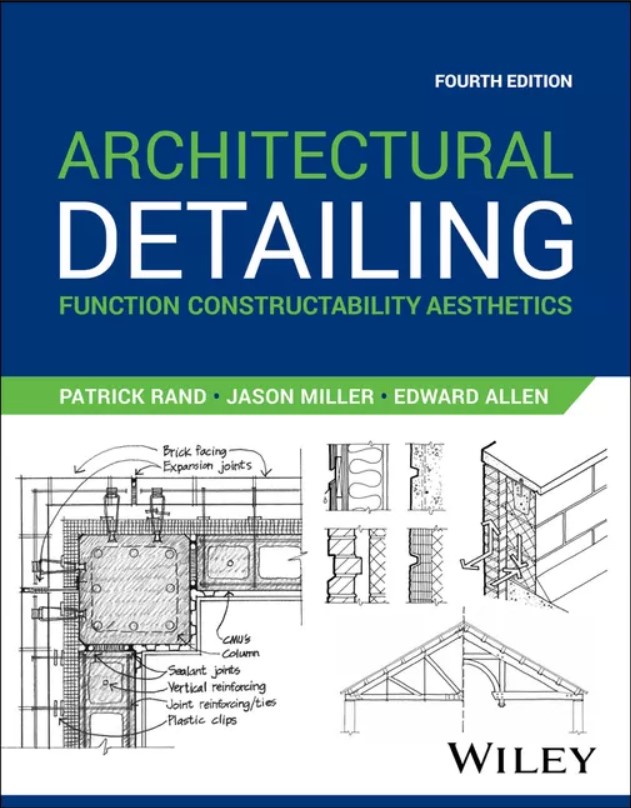
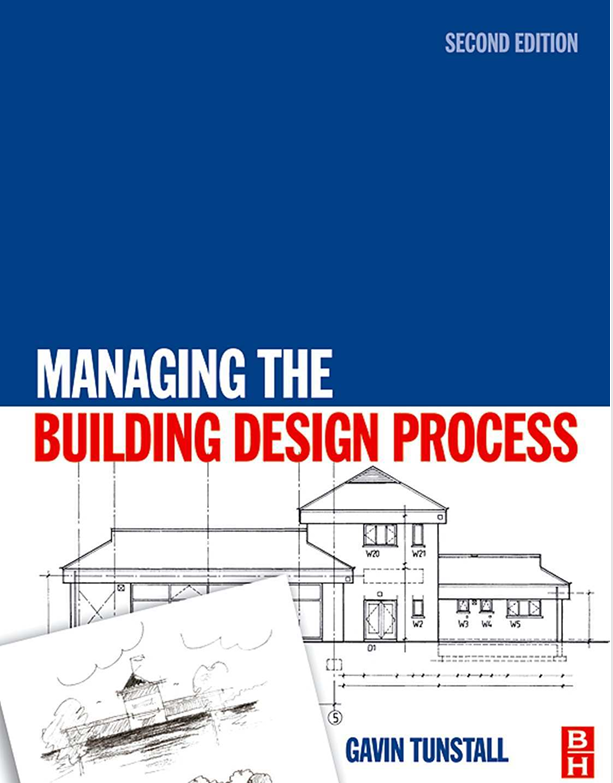
Architects Handbook of Construction Detailing 2nd Edition: A Comprehensive Guide
Introduction
In the complex world of architectural design, attention to detail isn’t optional—it’s essential. The Architects Handbook of Construction Detailing, Second Edition is more than a technical manual. It’s a blueprint for excellence in building design and construction documentation. From seasoned professionals to architecture students, this book supports anyone involved in translating design intent into buildable reality.
This updated edition reflects the latest construction standards, including modern codes, sustainability practices, and evolving material technology. Whether working on residential housing or commercial complexes, users will find this handbook to be a reliable source of detailed, accurate, and code-compliant construction drawings.
Overview of the Architects Handbook of Construction Detailing
The second edition of the handbook builds on the original’s strengths while introducing updates that reflect contemporary industry needs.
Updated Content for Modern Architecture
This edition doesn’t simply repeat the past. It adapts. The construction industry evolves fast—materials, methods, codes, and client expectations shift regularly. This handbook ensures readers aren’t just keeping up, but staying ahead.
It includes:
-
Hundreds of construction details, from simple framing joints to complex building envelope assemblies.
-
Step-by-step instructions to help translate drawings into real-world structures.
-
Technical commentary that provides insight behind each detail, offering not just “what” but “why.”
Built for Practical Use
The handbook isn’t just a reference book to keep on the shelf. It’s designed for daily use. Architects, builders, and drafters can consult it during any project phase, from schematic design to final detailing.
Key Features of the Second Edition
What sets this edition apart from other construction detailing references is its practical approach and technical clarity. The layout and content have been developed with working professionals in mind.
Detailed Construction Drawings
The heart of the book lies in its detailed drawings—clear, labeled, and ready to be adapted into project documentation. These details include:
-
Wall sections (interior and exterior)
-
Roof assemblies for various climates
-
Foundation-to-wall connections
-
Floor-to-wall transitions
-
Window and door installations
Many of these details are provided in CAD format, allowing professionals to modify and integrate them directly into their design workflow.
Up-to-Date Standards and Codes
Building codes aren’t static. This edition reflects current standards, including:
-
IBC (International Building Code) compliance
-
ADA (Americans with Disabilities Act) considerations
-
Fire-resistance ratings
-
Moisture and thermal performance standards
-
Energy codes for sustainability-focused projects
By using the handbook, architects can ensure their designs align with regulatory expectations—reducing the risk of code violations or construction delays.
Material Guidance and Best Practices
Material compatibility and performance are critical in detailing. The handbook includes practical insights on:
-
Choosing the right fasteners and sealants
-
Preventing galvanic corrosion
-
Allowing for thermal movement
-
Integrating moisture barriers and air seals
-
Working with new materials like fiber cement and insulated metal panels
These insights are especially helpful for architects looking to create details that are not just correct on paper, but functional in the field.
Who Can Benefit from This Handbook?
While the book is clearly tailored for architects, its value extends across disciplines and experience levels.
Architects
For architects, especially those working on CD (Construction Document) phases, this handbook is a go-to reference. It reduces guesswork, promotes consistency, and improves coordination with consultants and contractors.
Builders and Contractors
Builders often face the challenge of interpreting drawings during construction. The clarity and completeness of the handbook’s details help bridge the communication gap between the design office and the job site.
Architecture Students
For students, this handbook provides real-world examples of how design concepts are translated into technical documents. It serves as an excellent learning tool, offering context that is often missing in academic theory.
Interior Designers and Engineers
Interior designers working on built-in furniture, partitions, or ceiling systems will find the detailing guidance valuable. Structural and MEP engineers can also reference it to understand how their systems interact with architectural assemblies.
How the Handbook Supports Accurate Architectural Detailing
Precision in detailing goes beyond aesthetics—it impacts performance, durability, and compliance. The handbook supports this by focusing on the four key principles of successful detailing.
Moisture Management
Moisture infiltration is one of the most common causes of building failure. The handbook includes strategies such as:
-
Sloped sill details for window openings
-
Flashing placement and integration
-
Proper installation of vapor retarders
-
Drainage paths within wall assemblies
These techniques help extend the lifespan of the building and prevent costly repairs down the line.
Energy Efficiency and Sustainability
With green building no longer optional, the handbook covers:
-
Thermal breaks to reduce bridging
-
Continuous insulation techniques
-
Airtight assemblies for envelope performance
-
Integration with renewable energy systems
These details align with LEED and other sustainability certification requirements, helping architects design for the future.
Durability and Lifecycle Planning
Good detailing considers wear, weather, and time. The handbook promotes:
-
Use of weather-resistant materials
-
Proper anchoring and support for assemblies
-
Material separation for dissimilar components
-
Maintenance-friendly design strategies
By detailing with durability in mind, architects reduce long-term building costs and improve client satisfaction.
Code Compliance
No project moves forward without meeting code. The handbook includes compliance strategies for:
-
Fire-resistance ratings and protected assemblies
-
Sound transmission reduction
-
Accessibility clearances
-
Seismic and structural integration
These code-aligned details allow projects to move through permitting smoothly and avoid revisions.
Key Sections Covered in the Handbook
The handbook is organized by building systems and elements, making it easy to find relevant details for any phase of a project.
Exterior Wall Assemblies
Includes rainscreen systems, cavity walls, EIFS (Exterior Insulation and Finish Systems), masonry veneers, and curtain walls. Detailing focuses on thermal performance, water management, and structural anchorage.
Roof Details
Covers flat and sloped roof assemblies, parapets, expansion joints, flashing, and drainage. Includes details for membrane roofing, metal panels, and green roofs.
Flooring Systems
Offers construction details for concrete slabs, raised access floors, wood framing, and finishes. Focus on insulation, sound control, and structural load paths.
Structural Connections
Provides guidance on how architectural elements connect with structural frames—beams, columns, shear walls, and foundations. Includes tolerances and movement accommodation.
Fire-Resistant Designs
Details compliant assemblies for fire-rated walls, floors, doors, and ceiling systems. Integrates UL design numbers and code references.
Supplementary Resources and Tools
CAD Files and Digital Access
Many versions of the handbook include digital resources, including downloadable CAD files. These are formatted for immediate use in architectural drafting software, reducing the time spent redrawing standard details.
Reference Tables
The handbook includes convenient tables for fast access to:
-
Fire-resistance ratings
-
Material properties
-
Fastener requirements
-
Clearances and tolerances
These save time during documentation and checking phases.
Frequently Asked Questions
What is the primary focus of the Architects Handbook of Construction Detailing, Second Edition?
The handbook’s main goal is to provide clear, accurate, and code-compliant construction details that architects and builders can use directly in their projects.
Can this handbook be used for residential projects?
Yes, it is suitable for both residential and commercial work. The detailing ranges from simple wood-frame assemblies to complex commercial envelope systems.
Does the handbook include CAD drawings?
Yes, most versions include ready-to-use CAD files that integrate seamlessly into your project workflow.
Is this handbook suitable for beginners?
Yes, students and beginners will benefit from the annotated details and explanations that go beyond just showing the drawings—they explain why each step matters.
Where can I purchase the second edition of this handbook?
You can find the book through major online retailers like Amazon, directly from Wiley (the publisher), or through university bookstores and architectural supply vendors.
Conclusion
Architects Handbook of Construction Detailing 2nd Edition isn’t just another reference book—it’s a professional asset. By blending technical precision with real-world applicability, it equips architects and builders with the tools needed to create buildings that work as beautifully as they look.
Whether you’re designing a multi-family housing unit or a high-performance office building, this handbook ensures that every connection, transition, and assembly is built on solid ground—literally and figuratively. In a profession where details define success, this handbook is your guide to getting it right.