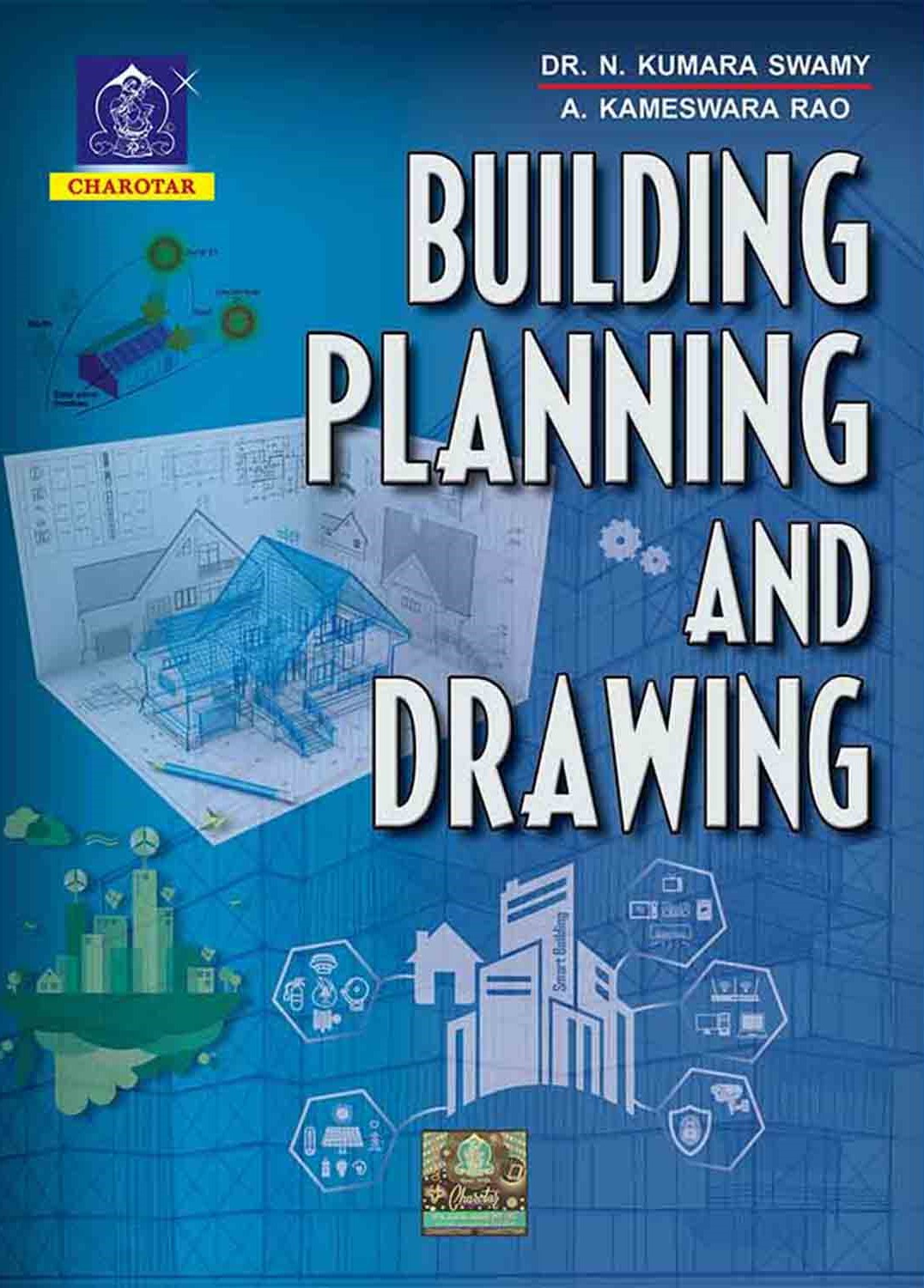
Understanding Construction Drawing 5th Edition
Introduction to Understanding Construction Drawing 5th Edition
Construction drawings are the cornerstone of every building project, serving as a universal language between architects, engineers, and contractors. The Understanding Construction Drawing 5th Edition builds upon previous editions, offering updated content tailored to modern construction standards. Whether you are a student, a seasoned professional, or someone new to the field, this edition is an invaluable resource that reflects current industry practices and technology.
What Are Understanding Construction Drawing 5th Edition?
Construction drawings, often referred to as blueprints, are detailed representations of a construction project. They include everything from floor plans and elevations to schedules and sections. These documents guide the construction team through each phase of a project and ensure that all elements are built according to the design intent and applicable codes.
Purpose and Function
Construction drawings serve multiple purposes:
- Communicate the design vision
- Ensure compliance with local and international building codes
- Provide documentation for permits and inspections
- Serve as a legal contract between stakeholders
Overview of Understanding Construction Drawing 5th Edition
Structured Learning
The 5th edition of this acclaimed textbook provides a systematic approach to mastering construction drawings. It begins with foundational concepts and gradually builds toward more advanced topics.
Broad Coverage
This edition covers:
- Basic and advanced blueprint reading
- Architectural, structural, and civil drawing standards
- Technological updates including CAD and BIM integration
- Emphasis on sustainable and energy-efficient design documentation
Key Features of Understanding Construction Drawing 5th Edition
Enhanced Visuals
One of the most appreciated aspects of this edition is the improved clarity in diagrams and illustrations. Full-color visuals and annotated drawings help readers quickly grasp complex concepts. Enlarged details and cutaway views further assist in understanding intricate assemblies.
Real-World Application
Practical applications such as case studies, construction scenarios, and job site examples bridge the gap between theory and practice. Readers are better equipped to apply what they learn directly to their work environments. New to this edition are interviews with industry professionals that offer real-world insights.
Comprehensive Practice Sets
Each chapter concludes with exercises designed to reinforce learning. These range from identifying drawing components to interpreting full sets of plans, promoting both knowledge retention and practical skills. There are also challenge problems for advanced learners.
Digital Supplement
The book now includes access to an online resource hub featuring:
- Interactive drawing samples
- Quizzes and flashcards
- Downloadable drawing sets for practice
Why Learn from Understanding Construction Drawing 5th Edition?
Build Blueprint Fluency
Interpreting construction drawings accurately is a critical skill across various disciplines in the construction and design industries. This book builds that fluency step by step.
Stay Current with Industry Standards
The 5th edition integrates current standards, including:
- National CAD standards
- Green building codes
- LEED documentation practices
- Updated ANSI and ISO conventions
Enhance Project Management Skills
By understanding drawings thoroughly, professionals can:
- Reduce errors on site
- Communicate more effectively with stakeholders
- Improve time and cost estimation
- Manage subcontractor coordination more efficiently
Prepare for Certification and Exams
This book is an excellent preparatory tool for certifications such as:
- Certified Construction Manager (CCM)
- Architectural Registration Exams (ARE)
- National Council for Construction Education and Research (NCCER)
Topics Covered in Detail
Blueprint Basics
An introduction to the structure of a drawing set, line types, scales, and organization of sheets. Readers learn to navigate typical architectural and engineering plan sets. Also included are:
- Scale conversions
- Sheet numbering systems
- Revision blocks and title blocks
Construction Symbols and Abbreviations
The book provides extensive glossaries and visual guides to help readers decode common symbols, abbreviations, and conventions used in the industry. It also teaches how to:
- Differentiate between architectural, electrical, and mechanical symbols
- Interpret legend tables
- Understand hatching and cross-hatching patterns
Materials and Construction Methods
An overview of common materials such as concrete, steel, wood, and masonry, along with how they appear in drawings. Construction methods and their depiction are also discussed. New content includes:
- Sustainability markers and green material indicators
- Prefabrication and modular construction drawings
Digital Drafting and BIM
This section introduces readers to the basics of CAD tools and gives a primer on Building Information Modeling (BIM), an increasingly essential part of modern construction documentation. Topics include:
- File types and digital workflow
- Layers, blocks, and attributes
- 3D modeling principles in Revit and similar software
Site and Civil Drawings
The textbook covers grading plans, utility layouts, and other civil engineering drawings, emphasizing how to interpret site-specific information. Additional topics include:
- Erosion control plans
- Stormwater management details
- Easements and property boundaries
Structural Drawings
Readers learn about foundation plans, framing layouts, reinforcement details, and structural connections, with insights into how these elements affect overall design and construction. The book explains:
- Load paths and structural hierarchy
- Structural schedules (beam, column, footing)
- Detailing of seismic and wind-resistance features
Mechanical, Electrical, and Plumbing (MEP)
A look at how mechanical, electrical, and plumbing systems are represented. This section includes ductwork, lighting plans, piping diagrams, and their coordination across trades. It also features:
- Schematic vs. diagrammatic representations
- Equipment schedules and layout coordination
- Fire protection and HVAC systems
Specialty Drawings and Submittals
The 5th edition introduces readers to specialized drawings such as:
- Shop drawings
- As-built drawings
- Submittal schedules and RFIs
- Fabrication and installation details
How to Use This Resource Effectively
Follow the Sequence
Start from the beginning and proceed chapter by chapter to ensure a strong foundation before tackling advanced material.
Engage Actively
Work through the practice sets, and try to recreate or redline sample drawings to test your comprehension. Use tracing paper or digital markup tools to enhance spatial understanding.
Apply Knowledge
Whenever possible, compare what you learn in the book with actual construction drawings from your workplace or project. This helps contextualize the knowledge.
Collaborate and Discuss
Use this book in study groups or workplace training programs. Discussion and collaboration can reveal insights you might miss alone.
Use Digital Tools
Take advantage of digital platforms and drawing software to practice creating, modifying, and reviewing plans. This helps bridge the gap between static learning and dynamic field application.
Common Challenges in Learning Construction Drawings
Visual-Spatial Understanding
Many learners struggle with converting 2D drawings into 3D mental images. The book offers techniques and exercises to improve spatial reasoning. It also suggests using models or software to visualize designs in 3D.
Symbol and Abbreviation Overload
With so many unique industry symbols, memorization can be tough. The book’s consistent repetition and summary charts make it easier to retain. Flashcards and visual dictionaries are also included online.
Integrating Technical Detail
Balancing visual interpretation with understanding technical notes and specifications is a skill developed through guided reading and repetition. The book includes tips on:
- Reading specifications in tandem with drawings
- Identifying discrepancies between drawings and notes
FAQs About Understanding Construction Drawing 5th Edition
Who should use the Understanding Construction Drawing 5th Edition?
This book is ideal for:
- Students in construction management, architecture, and engineering programs
- Entry-level professionals in construction trades
- Experienced workers who want to sharpen their blueprint reading skills
- Instructors seeking a comprehensive teaching tool
How is this edition different from the previous ones?
The 5th edition includes:
- Updated standards and code references
- New material on green building and LEED
- Expanded sections on digital drafting and BIM
- Online companion resources and interactive content
Can I use this book for self-learning?
Yes. The logical structure, clear visuals, and exercises make it suitable for independent study. A self-assessment checklist at the end of each chapter helps monitor progress.
Does the book cover digital drafting tools like CAD?
Yes. CAD basics are introduced along with a discussion of BIM principles, software interfaces, and practical usage. Specific examples using AutoCAD and Revit are provided.
Is this book aligned with industry certifications?
While not tied to a specific certification, the content supports preparation for programs like NCCER, OSHA training, and various blueprint reading exams. It also complements college-level curriculum standards.
Conclusion
The Understanding Construction Drawing 5th Edition is more than just a textbook; it’s a comprehensive guide to one of the most essential skills in the building industry. With its focus on modern standards, practical applications, and learner-friendly design, it equips readers to confidently navigate construction drawings in any setting. Whether you’re breaking into the field or leveling up your expertise, this edition is a must-have reference that stands up to the demands of today’s construction landscape.