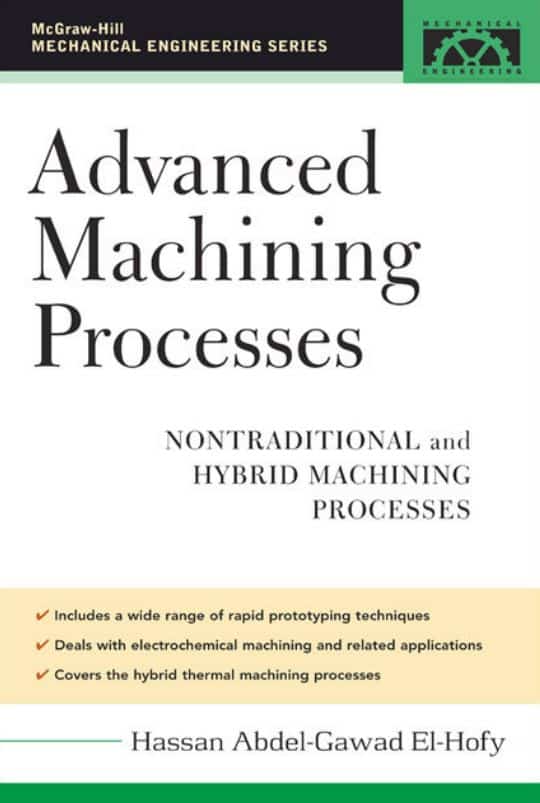
Applied Machining Technology
Introduction
Applied machining technology is central to modern manufacturing. It combines advanced tools, precise techniques, and smart systems to produce highly accurate components. Whether it’s the aerospace sector crafting lightweight yet durable parts, or the medical field producing life-saving implants, machining technology shapes the backbone of countless industries. In this article, we explore the depth of this technology, its processes, its advantages, and how it’s pushing industries forward.
What is Applied Machining Technology?
Applied machining technology refers to the advanced methods used to shape raw materials into finished components with tight tolerances. Unlike traditional manufacturing that often relies heavily on manual labor and basic tools, machining technology employs computer-guided processes and cutting-edge equipment to deliver accuracy, speed, and repeatability.
Core Processes in Machining Technology
-
CNC (Computer Numerical Control) Machining:
CNC uses programmed software to control machines like lathes, mills, routers, and grinders. The automation ensures repeatability and precision. -
Additive Manufacturing:
Commonly known as 3D printing, additive manufacturing builds components layer by layer, enabling complex geometries that were once impossible. -
Multi-axis Machining: (Applied Machining Technology)
Machines operating on multiple axes allow for complex cuts and shapes, reducing the need for repositioning and increasing efficiency. -
Electrical Discharge Machining (EDM):
EDM uses electrical sparks to erode material in a controlled manner, ideal for hard metals and intricate shapes.
These processes help manufacturers meet the increasing demand for precision-engineered parts in fast-paced industries.
Key Components of Machining Technology
Advanced Equipment
Modern machining is impossible without advanced hardware. Let’s look at some key machines and systems:
CNC Machines
These are the workhorses of machining technology. CNC machines automate cutting, drilling, and milling with extreme precision. With capabilities ranging from basic two-axis systems to complex five-axis setups, CNC machines handle everything from prototyping to mass production.
Laser Cutters (Applied Machining Technology)
Laser cutters use high-intensity light beams to slice through materials. They’re excellent for creating detailed cuts in metals, plastics, and composites. Laser cutting ensures minimal material waste and high-speed operations.
Robotic Systems
Robots are increasingly used in machining to automate part loading, tool changes, and even quality inspections. They enhance productivity, improve safety, and reduce the risk of human error.
Software Integration
Software is the brain behind modern machining.
CAD/CAM Software
Computer-Aided Design (CAD) and Computer-Aided Manufacturing (CAM) software allow engineers to design products and then seamlessly transfer those designs into manufacturing workflows.
Real-Time Monitoring Systems
Sensors and IoT devices monitor machine performance in real time, predicting maintenance needs and preventing costly breakdowns.
Materials Science (Applied Machining Technology)
The evolution of materials science plays a crucial role in machining.
Advanced Materials
From titanium alloys in aerospace to biocompatible polymers in medical devices, advanced materials enable manufacturers to meet specific industry requirements.
Material Selection
Choosing the right material involves balancing factors like strength, weight, cost, and machinability.
Advantages of Applied Machining Technology
Precision and Consistency
Modern machining technology achieves micrometer-level accuracy. This level of precision reduces defects and ensures consistency across production runs, which is vital for industries like aerospace and healthcare where tolerances are extremely tight.
Cost and Time Efficiency
Minimized Material Waste
Advanced techniques like laser cutting and CNC machining optimize material use, reducing waste and lowering costs.
Faster Production Cycles
Automation speeds up production. Machines can run continuously with minimal downtime, accelerating time-to-market for products.
Scalability
From Prototypes to Mass Production
Whether you’re producing a single prototype or thousands of parts, machining technology scales effortlessly to meet demand.
Customization Flexibility
Multi-axis machines and additive manufacturing allow for quick adjustments to designs, making custom orders feasible and efficient.
Industries Leveraging Machining Technology
Aerospace
The aerospace industry demands high-strength, lightweight components that withstand extreme conditions.
Aircraft Components
Machined parts like turbine blades, fuselage components, and landing gear require precision and durability.
Space Exploration
For spacecraft, every gram matters. Advanced machining techniques help create components that are both strong and lightweight, essential for space missions.
Automotive
Machining technology plays a vital role in automotive manufacturing.
Engine Components
Precision machining ensures parts like pistons and crankshafts meet exact specifications for optimal performance.
Transmission Systems
Complex gear systems require exact machining to function reliably under stress.
Electric Vehicles (EVs)
Machining is key in producing lightweight components for EVs, enhancing efficiency and extending range.
Healthcare
The healthcare industry relies heavily on precise machining.
Surgical Tools
High-precision tools improve surgical outcomes and reduce patient risks.
Prosthetics and Implants
Machined implants need to be biocompatible and custom-fitted to patients, demanding extreme accuracy.
Medical Devices
From diagnostic machines to robotic surgical systems, machining technology enables the production of complex medical equipment.
Electronics
Though not always obvious, electronics manufacturing benefits from machining too.
Housings and Casings
Machining creates durable, heat-resistant casings for sensitive electronics.
Heat Sinks
Precision-machined heat sinks help manage temperature in high-performance devices.
Innovations in Machining Technology
Additive and Hybrid Manufacturing
Combining traditional machining with 3D printing enables manufacturers to produce complex parts with internal structures that were once impossible. Hybrid machines can switch between additive and subtractive processes seamlessly, improving efficiency.
AI and IoT Integration
Smart factories use AI to optimize machining processes. Machines equipped with sensors and connected to the Industrial Internet of Things (IIoT) can:
-
Predict maintenance needs
-
Optimize tool paths
-
Reduce energy consumption
Green Machining
Sustainability is no longer optional.
Eco-Friendly Coolants
Manufacturers are moving toward biodegradable lubricants and coolants to reduce environmental impact.
Energy Efficiency
Modern machines use less power and minimize waste, supporting greener operations.
Recycling and Reuse
Scrap materials are increasingly recycled, and manufacturers design parts with end-of-life recyclability in mind.
FAQs About Applied Machining Technology
How does machining technology differ from traditional manufacturing?
Traditional manufacturing often involves manual labor and simpler tools, leading to longer production times and less precision. Machining technology uses automation, advanced tools, and integrated software to produce high-quality parts faster and more reliably.
What is CNC machining?
CNC machining uses computer-controlled machines to carry out precise cutting, drilling, and milling tasks. It ensures high repeatability and tight tolerances, making it ideal for complex parts.
Is machining technology cost-effective for small businesses?
Yes. Thanks to advancements like affordable desktop CNC machines and cloud-based CAD/CAM software, even small businesses can access high-quality machining technology without massive capital investment.
What materials can be used in machining technology?
Machining works with a wide variety of materials:
-
Metals: Aluminum, steel, titanium, brass
-
Plastics: ABS, polycarbonate, nylon
-
Composites: Carbon fiber-reinforced polymers
-
Ceramics: For specialized high-temperature applications
What is green machining?
Green machining focuses on sustainable manufacturing practices. This includes reducing energy use, recycling scrap material, and choosing eco-friendly coolants and lubricants.
Future Outlook for Applied Machining Technology
Machining technology is evolving rapidly. The future points toward even greater automation, smarter systems, and higher sustainability standards.
Greater Automation
Expect to see lights-out manufacturing, where machines operate with little to no human intervention, increasing efficiency and reducing labor costs.
Smarter Systems
With AI and machine learning, machining systems will self-optimize in real time, improving productivity and quality without constant oversight.
Sustainable Practices
Environmental responsibility will continue to shape machining processes, from renewable energy use in factories to more efficient material usage.
Conclusion
Applied machining technology is reshaping modern manufacturing. By integrating precision equipment, intelligent software, and sustainable practices, industries across aerospace, automotive, healthcare, and electronics are producing better products faster and more efficiently. The future of machining technology looks promising, with advancements in AI, hybrid manufacturing, and green practices set to transform production even further. Companies that invest in these innovations today will lead the charge toward a smarter, cleaner, and more competitive industrial future.