Fundamentals Of The Internal Combustion Engine
Introduction
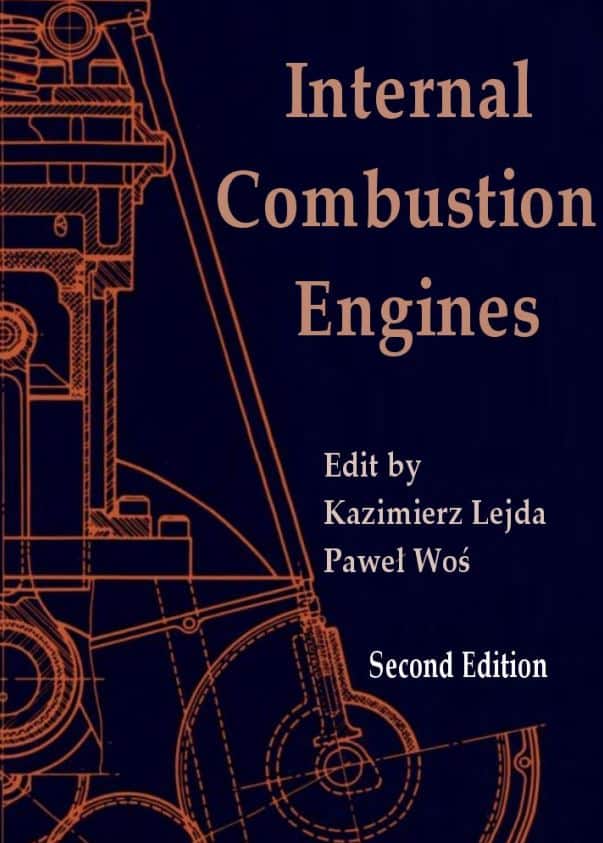
The internal combustion engine (ICE) has revolutionized transportation and machinery, remaining a critical area of study in engineering. The 2nd Edition of “Engineering Fundamentals of the Internal Combustion Engine” builds on the foundational principles of ICE design and operation, incorporating the latest technological advancements and research insights. This article explores the essential topics covered in the book, including thermodynamics, combustion processes, and engine components.
With the global push for sustainability and efficiency, the relevance of ICEs is evolving. While electric vehicles are gaining ground, ICEs continue to power much of the world’s transportation and industrial infrastructure. Understanding their inner workings, challenges, and innovations remains vital for engineers and researchers alike.
Overview of Fundamentals Of The Internal Combustion Engine
A Brief History
Internal combustion engines have a rich history, dating back to the 19th century with early prototypes such as the Lenoir and Otto engines. These engines transformed the way humans traveled, farmed, and manufactured goods. Over time, the basic principles remained, but innovations in materials, design, and control systems have significantly improved performance, reliability, and emissions.
Role in Modern Technology
Today, ICEs are still at the heart of many systems: cars, trucks, motorcycles, generators, ships, and even aircraft. While electric motors are on the rise, ICEs are far from obsolete. Hybrid systems and biofuel capabilities are extending their life and relevance in an increasingly eco-conscious world.
Thermodynamic Foundations
The book begins with an essential explanation of thermodynamic cycles, especially the Otto and Diesel cycles, which describe the idealized behavior of gasoline and diesel engines, respectively. Concepts like pressure-volume diagrams, thermal efficiency, and entropy are discussed in detail to build a foundation for further study.
Core Topics Explored in the 2nd Edition
Thermodynamics (Fundamentals Of The Internal Combustion Engine)
The second edition delves deeper into energy conversion processes, including:
- Heat transfer mechanisms in engines (conduction, convection, radiation)
- Efficiency limits and ways to improve them
- Internal energy, enthalpy, and specific heats
It also introduces updated models for simulating engine thermodynamics under real-world operating conditions.
Combustion Processes
A critical area of focus is how fuel burns within the engine:
- Stoichiometry and air-fuel ratios
- Chemical kinetics and ignition timing
- Flame front propagation and knock
- Pollutant formation, such as NOx, CO, and unburned hydrocarbons
Understanding these processes is key to optimizing engine performance and minimizing environmental impact.
Fuel Types (Fundamentals Of The Internal Combustion Engine)
The book compares different fuel sources:
- Gasoline: Widely used for spark-ignition engines.
- Diesel: Preferred for compression-ignition engines due to energy density.
- Biofuels: Including ethanol and biodiesel, offering renewable alternatives.
- Alternative Fuels: Such as hydrogen and natural gas, with pros and cons outlined.
Each fuel type is evaluated based on performance, emissions, cost, and availability.
Engine Design Principles
Readers are guided through:
- Cylinder configurations (inline, V-type, flat)
- Piston motion and crankshaft dynamics
- Camshaft and valve timing strategies
- Turbocharging and supercharging
CAD models and simulations help visualize design impacts on performance and efficiency.
Advances in ICE Technology
Emission Reduction Strategies
The book details how modern engines achieve stricter emission standards:
- Catalytic converters: Break down harmful exhaust gases.
- Exhaust Gas Recirculation (EGR): Lowers combustion temperature to reduce NOx.
- Particulate filters: Capture soot in diesel engines.
Fuel Injection Innovations
New injection techniques are explored:
- Direct Injection (DI): Improves power and efficiency.
- Common Rail Systems: Enable precise fuel delivery.
- Dual-fuel injection: Combines benefits of different fuels.
These developments have led to cleaner, more efficient engines.
Hybrid Integration (Fundamentals Of The Internal Combustion Engine)
ICEs are being integrated into hybrid powertrains:
- Series Hybrids: Engine powers a generator.
- Parallel Hybrids: Engine and motor work together.
- Plug-in Hybrids: Offer electric-only range.
The book examines how ICEs adapt to support electrified systems, balancing performance and efficiency.
Applications of Fundamentals Of The Internal Combustion Engine
Automotive Sector
Cars, trucks, and motorcycles still rely heavily on ICEs. Advanced engine management systems allow for adaptive performance tuning, emissions control, and fuel economy improvements. Turbocharging, cylinder deactivation, and stop-start systems are common features in modern vehicles.
Marine and Aerospace
Large ships and aircraft use specialized ICEs for propulsion and auxiliary power. Marine engines often run on heavy fuel oil, while aircraft use highly efficient piston engines for small planes. The book covers the unique challenges and engineering solutions in these environments.
Industrial Equipment
Generators, construction machinery, and agricultural equipment depend on ICEs for reliable, mobile power. The book explains how durability, serviceability, and fuel type flexibility are prioritized in these applications.
Practical Insights for Engineers
Diagnostics and Troubleshooting
Real-world problems require real-world solutions:
- Common failure modes (overheating, oil loss, misfire)
- Use of diagnostic tools (OBD-II, pressure transducers, thermal cameras)
- Data interpretation for preventive maintenance
Simulation and Modeling
Engine simulation software is used to:
- Predict performance under different loads and conditions
- Test design modifications virtually
- Analyze fuel economy and emissions profiles
The book introduces tools like GT-Power and MATLAB/Simulink for modeling purposes.
Maintenance Strategies
To extend engine life and maintain performance:
- Regular oil and filter changes
- Monitoring coolant and fuel systems
- Timing belt/chain inspection and replacement
The book emphasizes predictive and preventive maintenance, supported by data analytics and IoT-enabled diagnostics.
FAQs
Who should read the “Engineering Fundamentals of the Internal Combustion Engine, 2nd Edition”?
This book is ideal for engineering students, mechanical engineers, automotive professionals, researchers, and anyone involved in energy systems or machinery powered by ICEs.
How does the 2nd Edition differ from the first?
The updated edition includes expanded sections on:
- Emission control technologies
- Alternative fuels and hybrid systems
- Real-world examples and industry case studies
- Problem-solving exercises with updated data
Are alternative fuels discussed in this book?
Yes. There is a thorough discussion of biofuels, synthetic fuels, hydrogen, and their implications for combustion efficiency and emissions. Fuel sourcing, processing, and lifecycle analysis are also covered.
Does this book include practical examples?
Absolutely. Case studies include automotive applications, power generation systems, and hybrid powertrains. Hands-on lab exercises and step-by-step problem-solving methodologies help reinforce theoretical concepts.
Conclusion
The 2nd Edition of “Engineering Fundamentals of the Internal Combustion Engine” is an essential resource for anyone seeking in-depth knowledge of how ICEs function, evolve, and contribute to modern technology. It balances foundational theory with applied engineering, making it suitable for both academic and professional use.
By covering combustion science, thermodynamic analysis, engine design, emissions control, and hybrid technologies, the book prepares readers to innovate and adapt in a field that continues to face both technical and environmental challenges. Whether you’re a student entering the world of mechanical engineering or a seasoned professional tackling real-world energy systems, this book provides the tools and insights needed to succeed.