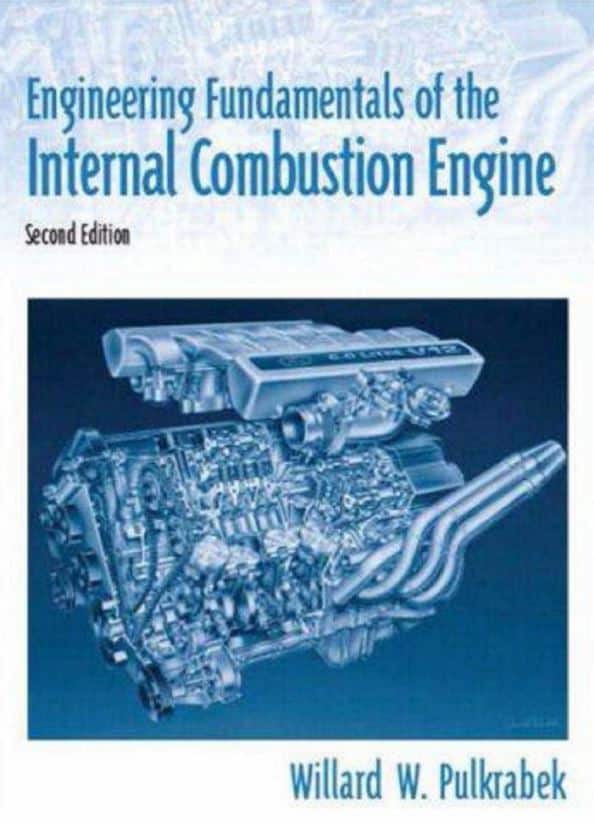
Internal Combustion Engines 2nd Edition
Introduction
Internal combustion engines (ICEs) have shaped modern transportation, powering everything from compact cars to heavy-duty trucks, aircraft, and marine vessels. For over a century, they’ve remained at the heart of industrial growth, continually evolving to meet the demands of performance, efficiency, and emissions regulation.
The 2nd edition of Internal Combustion Engines arrives at a critical moment. With the global focus shifting toward sustainability and alternative energy, understanding the current state and future potential of ICE technology is more important than ever. This edition reflects the latest advancements, making it a key resource for students, engineers, and professionals navigating this rapidly changing landscape.
What is an Internal Combustion Engine?
Definition and Basic Principles
An internal combustion engine is a heat engine where fuel combustion occurs within a confined space, typically a cylinder. This controlled explosion generates high-pressure gases that move pistons or turn turbines, converting chemical energy into mechanical work.
At its core, the operation of an ICE revolves around four primary strokes in a reciprocating engine: intake, compression, combustion (power), and exhaust. These steps form a continuous cycle that powers a vehicle or machine.
Types of Internal Combustion Engines
ICEs can be categorized based on various criteria, but two of the most common types are:
-
Spark Ignition (SI) Engines: Typically gasoline-powered, these engines use a spark plug to ignite the air-fuel mixture.
-
Compression Ignition (CI) Engines: Commonly known as diesel engines, they compress air to high temperatures, then inject fuel to initiate combustion without a spark.
Other types include two-stroke engines, rotary (Wankel) engines, and gas turbines. Each has its own applications depending on the desired balance between power, efficiency, and weight.
Key Features of the 2nd Edition
The second edition brings a wealth of new information, reflecting both academic research and industrial practices. It enhances fundamental understanding while offering insight into current innovations and future trends.
Enhanced Chapters on Thermodynamics and Fluid Dynamics
Thermodynamic cycles and fluid motion are foundational to ICE performance. This edition expands on:
-
Detailed analysis of Otto, Diesel, and Atkinson cycles.
-
Modern approaches to heat transfer, turbulence, and energy losses.
-
Application of fluid dynamics to optimize airflow and fuel mixing.
These revisions deepen the reader’s grasp of how thermal and fluid systems influence engine design and performance.
New Case Studies on Emission Reduction Technologies
A major highlight is the inclusion of real-world case studies on reducing emissions. These illustrate how manufacturers and researchers tackle:
-
NOx and particulate emissions in diesel engines.
-
CO2 reduction via combustion optimization.
-
The impact of EGR (Exhaust Gas Recirculation) and after-treatment systems in meeting environmental standards.
Each case study links theory with actual implementation, making the content both educational and practical.
Modern Applications: Hybrid Engines and Sustainable Fuels
This edition addresses ICEs within hybrid systems, showing how internal combustion complements electric propulsion in modern vehicles. It also explores:
-
Use of ethanol, biodiesel, and synthetic fuels.
-
Research on hydrogen combustion.
-
The shift toward multi-fuel capable engines for flexible energy sourcing.
Advancements in Efficiency
Efficiency remains a central goal in ICE development. Reducing fuel consumption while maintaining power output requires both mechanical and technological innovation.
Innovations in Combustion Processes
Modern engines employ advanced combustion strategies like:
-
Homogeneous Charge Compression Ignition (HCCI): Blends spark and compression ignition for cleaner combustion.
-
Variable valve timing (VVT) and variable compression ratios to optimize power delivery under different conditions.
-
Lean burn techniques for higher thermal efficiency.
These techniques reduce fuel consumption and emissions without sacrificing performance.
Optimized Fuel Injection Systems
Fuel injection plays a pivotal role in combustion quality. The second edition highlights:
-
Transition from mechanical to electronically controlled fuel injection.
-
Adoption of high-pressure common rail systems in diesel engines.
-
Precision control for timing, quantity, and spray pattern, allowing more complete combustion.
Role of Computational Fluid Dynamics in Design
Computational Fluid Dynamics (CFD) now drives much of the design and testing phase, allowing engineers to simulate:
-
Air-fuel mixing patterns.
-
Combustion chamber shape optimization.
-
Exhaust flow characteristics for better after-treatment performance.
CFD reduces prototyping time and enables more precise engineering solutions.
Emission Control and Sustainability
The growing demand for cleaner engines has reshaped how ICEs are designed and regulated.
Updated Regulations and Their Implications
Governments worldwide have implemented strict emissions standards, such as:
-
Euro 6 and EPA Tier 4 norms.
-
Fleet-wide CO₂ reduction targets.
-
Incentives for cleaner technologies.
These regulations push manufacturers to adopt greener technologies while maintaining performance.
Technologies like Catalytic Converters and SCR Systems
The book explains the role of emission control technologies in detail:
-
Catalytic converters that convert harmful gases into less toxic compounds.
-
Selective Catalytic Reduction (SCR) systems that inject urea to neutralize NOx emissions.
-
Diesel Particulate Filters (DPF) to capture soot and reduce fine particle output.
Sustainable Fuels: Biofuels and Hydrogen
Fuels are a major source of emissions, so transitioning to cleaner alternatives is critical. This edition covers:
-
Biodiesel and ethanol: Easily blended with conventional fuels.
-
Hydrogen: Offers clean combustion with water as the only byproduct.
-
Synthetic fuels: Produced from renewable sources for a carbon-neutral lifecycle.
Applications Across Industries
Internal combustion engines remain foundational across various sectors despite the push for electrification.
Automotive Advancements: Electric Hybrids and ICE Integration
Automakers are blending ICEs with electric motors in hybrid systems to optimize efficiency:
-
Plug-in hybrids (PHEVs) using ICEs for extended range.
-
Regenerative braking and start-stop systems reducing fuel use.
-
Smaller, turbocharged engines delivering more power with less fuel.
Aerospace Engines and Improvements
While jet propulsion dominates aviation, ICEs still power:
-
Light aircraft and drones, where weight and reliability matter.
-
Auxiliary power units (APUs) and backup generators.
-
Development of hybrid-electric propulsion for regional aircraft.
Marine and Heavy-Duty Applications
In shipping and construction, ICEs power:
-
Cargo vessels, cruise liners, and offshore equipment.
-
Excavators, generators, and agricultural machinery.
-
Ongoing efforts to reduce fuel consumption and emissions with dual-fuel and natural gas-powered engines.
Why the 2nd Edition is Essential for Engineers
This updated edition goes beyond theory to address real-world challenges.
Real-World Applications Explained
Through diagrams, simulations, and case studies, the book explains how concepts apply to:
-
Engine calibration and tuning.
-
Diagnosing performance issues.
-
Integrating engines into hybrid and electric platforms.
Insights from Industry Experts
The 2nd edition includes contributions from engineers and researchers working at major manufacturers and academic institutions. Their insights offer:
-
Current industry practices.
-
Forecasts for future engine trends.
-
Perspectives on the transition to cleaner powertrains.
Focus on Modern Challenges and Solutions
The book tackles complex questions:
-
How do we balance power and emissions?
-
What role will ICEs play in a carbon-neutral world?
-
Can ICEs evolve fast enough to stay relevant?
By answering these, the book stays grounded in reality while preparing readers for the future.
FAQs On Internal Combustion Engines 2nd Edition
What is new in the 2nd edition of Internal Combustion Engines?
This edition brings updated content on thermodynamics, emission control, fuel technologies, and hybrid integration. It includes new case studies, industry insights, and tools like CFD modeling to bridge theory and practice.
Why are internal combustion engines still relevant?
While electric vehicles are growing, ICEs remain vital in areas where battery technology can’t yet compete—like long-haul trucking, marine transport, and aviation. They’re also critical in hybrid systems that combine electric and combustion power.
What advancements in emission control are covered?
The book covers modern emission systems such as:
-
Catalytic converters
-
Selective Catalytic Reduction (SCR)
-
Diesel Particulate Filters (DPF)
-
Clean fuels like biofuels and hydrogen
How does this book help students and professionals?
It links core engineering principles with modern applications, helping readers understand both the how and why of engine design and innovation. It’s practical, comprehensive, and aligned with current industry needs.
Conclusion
The 2nd edition of Internal Combustion Engines is more than a textbook—it’s a bridge between traditional engineering and the future of mobility. Whether you’re a student building foundational knowledge, an engineer facing new design challenges, or a professional exploring cleaner technologies, this book offers the insights you need.
With updated chapters, practical examples, and a focus on sustainability, it’s a timely and necessary resource. ICEs aren’t disappearing—they’re evolving. And this edition ensures you’re ready for what comes next.