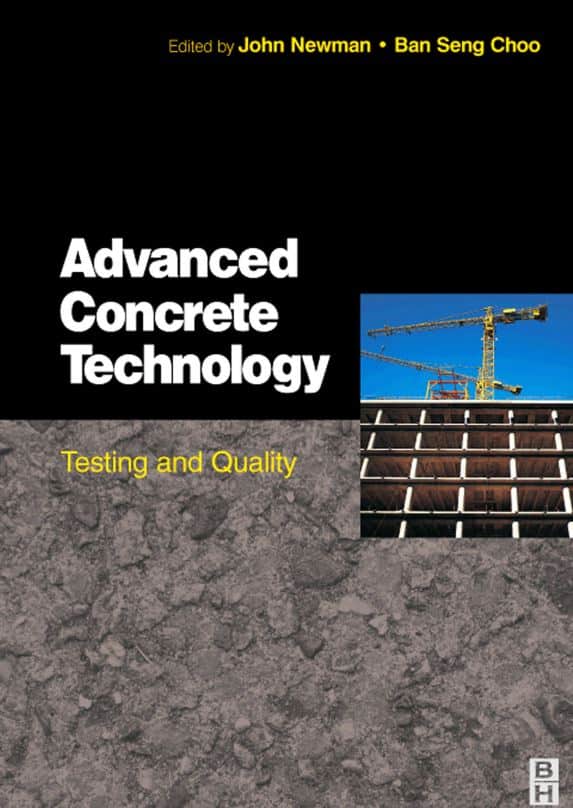
Construction Business Development
Overview of Construction Business Development PDF and Its Importance
In today’s competitive construction industry, businesses require a structured approach to growth and development. A comprehensive Construction Business Development PDF serves as a roadmap to guide companies through challenges while maximizing opportunities for expansion. This document consolidates essential strategies, processes, and plans necessary for consistent and sustainable business development, making it invaluable for any construction company aiming to stay ahead in a competitive market.
What is Construction Business Development?
Construction business development refers to the process of strategically planning and implementing growth initiatives within a construction company. This includes identifying market opportunities, expanding client networks, optimizing operational efficiency, and ensuring financial sustainability. Effective business development aligns project management, marketing, and financial strategies to enhance the long-term success of a construction firm.
Benefits of Having a Business Development PDF
Creating a Construction Business Development PDF helps structure all critical strategies in one accessible document. This ensures easy access for management, investors, and stakeholders while providing clear business insights. Key benefits include:
- Clarity in Business Objectives: Clearly defines organizational goals and the pathways to achieve them.
- Improved Client Acquisition Strategies: Helps in structuring approaches to attract and retain clients.
- Enhanced Team Alignment: Ensures all employees and stakeholders are on the same page regarding project goals and timelines.
- Performance Tracking: Facilitates monitoring of business milestones and key performance indicators (KPIs).
- Risk Management: Identifies potential risks and mitigation strategies.
Why Every Construction Company Needs a Plan

A structured development plan ensures that a construction business remains competitive by addressing emerging challenges proactively. Without a solid strategy, construction firms risk inefficiency, financial losses, and missed opportunities. A well-defined business plan helps companies:
- Adapt to industry trends and regulations.
- Efficiently allocate resources and manage budgets.
- Develop strategies for sustainable growth.
- Build credibility with investors and financial institutions.
Core Components of a Successful Construction Business Plan
A solid Construction Business Development PDF should include the following components:
- Executive Summary: A brief overview of the business, its vision, and key development goals.
- Market Analysis: Insights into target markets, competition, and industry trends.
- SWOT Analysis: Identification of strengths, weaknesses, opportunities, and threats.
- Client Acquisition Strategy: A plan for reaching and retaining customers through marketing and relationship-building.
- Project Management and Execution: Strategies for efficient and timely project completion.
- Financial Plan: Forecasting revenues, costs, and profitability.
- Risk Management: Identifying and mitigating business risks.
Market Analysis and Target Audience Research
Understanding the market is crucial for business success. Conducting a thorough market analysis allows construction businesses to identify high-demand sectors, ideal clients, and gaps in the market. Steps include:
- Client Demographics: Identifying the needs of residential, commercial, and industrial clients.
- Competitor Analysis: Studying successful competitors to identify key differentiators.
- Industry Growth Trends: Assessing new technologies, sustainability trends, and regulatory changes.
Project Management Essentials for Development
Efficient project management is essential for construction business growth. Key elements include:
- Resource Planning: Ensuring availability of materials, labor, and equipment.
- Time Management: Creating realistic project timelines and meeting deadlines.
- Quality Control: Adhering to building standards and safety regulations.
- Budgeting and Cost Control: Avoiding cost overruns and ensuring financial efficiency.
Identifying New Market Opportunities in Construction
Exploring new markets can open up growth avenues. Emerging opportunities include:
- Sustainable Construction: Green building materials and eco-friendly techniques.
- Modular Building: Pre-fabricated construction methods for faster, cost-effective projects.
- Smart Cities and Infrastructure: Implementing IoT and AI-driven construction solutions.
- Public-Private Partnerships (PPP): Engaging in large-scale infrastructure projects funded by governments.
How to Use Competitive Analysis to Grow Your Construction Business
Competitive analysis helps identify areas for improvement by evaluating competitors’ strengths and weaknesses. This includes:
- Pricing Strategies: Understanding how competitors price their services.
- Customer Satisfaction: Learning from client feedback to enhance service quality.
- Technology Utilization: Identifying industry advancements that provide a competitive edge.
- Brand Positioning: Differentiating your company from competitors through unique selling points (USPs).
Cost-Effective Marketing Strategies for Construction Business Growth
Marketing in construction doesn’t have to be expensive. Cost-effective strategies include:
- Social Media Engagement: Using LinkedIn, Instagram, and Facebook for brand awareness.
- Search Engine Optimization (SEO): Optimizing website content to rank higher on Google.
- Local Advertising: Leveraging newspapers, community boards, and radio ads.
- Client Testimonials and Case Studies: Showcasing successful projects to attract potential clients.
Networking and Relationship Building
Strong networks are invaluable in the construction industry. Ways to expand professional connections include:
- Attending Trade Shows: Meeting industry leaders and potential clients.
- Joining Industry Associations: Becoming a member of organizations like AGC (Associated General Contractors) or ABC (Associated Builders and Contractors).
- Partnerships and Collaborations: Working with suppliers, subcontractors, and investors.
Leveraging Digital Tools and Technologies for Business Development
Technology enhances efficiency in construction business development. Useful tools include:
- Building Information Modeling (BIM): Enhancing design and project management.
- Customer Relationship Management (CRM) Software: Streamlining client interactions and sales processes.
- Project Management Tools: Platforms like Procore, Buildertrend, and Microsoft Project.
- Drones and AI Monitoring: Enhancing site inspections and safety monitoring.
Step-by-Step Guide to Creating a Construction Business PDF
To develop a comprehensive plan, follow these steps:
- Define Business Goals – Outline short-term and long-term growth objectives.
- Analyze Market Position – Conduct market research and competitor analysis.
- Set Strategic Initiatives – Identify core development strategies.
- Develop Financial Forecasts – Outline costs, revenue, and profit targets.
- Draft the Document – Organize each section logically, ensuring clarity and coherence.
Essential Templates and Resources for Construction Business
Using templates can save time and enhance the effectiveness of a business plan. Common resources include:
- SWOT analysis templates
- Project timeline templates
- Financial forecasting models
- Client proposal and contract templates
FAQs on Construction Business Development PDF
Q1: What is included in a Construction Business Development PDF?
A: It includes sections on market analysis, client acquisition strategies, project management, financial projections, and growth plans.
Q2: Where can I download a Construction Business Development PDF for free?
A: Many industry websites, consulting firms, and business development platforms offer free templates or guides.
Q3: Why is a business development plan necessary for construction?
A: It provides a clear roadmap for growth, helping construction companies navigate competitive markets and streamline operations.
Final Thoughts on Construction Business Development
A Construction Business Development PDF is essential for organizing a company’s growth strategies and improving operational efficiency. With a structured plan, companies can set clear goals, anticipate industry trends, and foster steady expansion in a competitive environment. Utilizing templates and regularly updating the document ensures it remains a valuable resource for guiding decision-making.