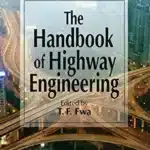
Highway Engineering Handbook 3rd Edition: The Complete Guide to Modern Highway Design, Construction, Maintenance, and Traffic Engineering
Introduction


🌍 Highways are among the most significant engineering achievements of modern civilization. Every day, millions of people rely on road networks for transportation, commerce, emergency services, tourism, and economic development. Designing a safe, durable, and efficient highway requires knowledge from multiple engineering disciplines, including transportation engineering, geotechnical engineering, structural engineering, materials science, environmental engineering, and traffic management.
📘 Highway Engineering Handbook, 3rd Edition is considered one of the most comprehensive references for highway professionals, researchers, transportation agencies, and engineering students. Rather than focusing on only pavement or geometric design, it combines the latest industry practices with practical engineering methods used across North America, Europe, Australia, and many international transportation organizations.
Whether you are preparing for professional engineering examinations, managing infrastructure projects, or studying transportation engineering, this handbook provides valuable guidance covering the complete highway lifecycle—from planning and design to construction, operation, maintenance, rehabilitation, and asset management.
Background Theory
Highway engineering evolved dramatically during the twentieth century. Early roads were designed primarily for horse-drawn vehicles with minimal consideration for speed or safety.
🚗 Today’s highways must accommodate:
- Heavy freight transportation
- High-speed passenger vehicles
- Public transportation
- Emergency vehicles
- Connected and autonomous vehicles
- Sustainable infrastructure practices
Modern highway engineering integrates numerous scientific disciplines:
- Transportation planning
- Soil mechanics
- Pavement engineering
- Structural analysis
- Hydrology
- Environmental science
- Traffic operations
- Highway safety engineering
- Intelligent Transportation Systems (ITS)
The handbook reflects decades of engineering research and lessons learned from thousands of highway projects worldwide.
Definition
Highway Engineering Handbook, 3rd Edition is an advanced engineering reference that provides practical and theoretical guidance for designing, constructing, operating, maintaining, and improving highway infrastructure using modern engineering standards and best practices.
It serves as both:
- 📚 Academic reference
- 🏗 Professional engineering manual
The handbook supports engineers working on:
- Interstate highways
- Urban roads
- Rural highways
- Expressways
- Bridges
- Intersections
- Pavement systems
- Traffic control
- Highway asset management
Major Topics Covered
Highway Planning
Transportation planning begins long before construction.
Engineers evaluate:
- Population growth
- Traffic demand
- Economic development
- Environmental impacts
- Land use
- Future expansion
Proper planning ensures highways remain effective for decades.
Geometric Design
Geometric design determines how safely drivers can travel.
Major design elements include:
- Horizontal curves
- Vertical curves
- Lane widths
- Shoulder widths
- Median design
- Superelevation
- Stopping sight distance
- Passing sight distance
Good geometric design minimizes crashes while improving traffic flow.
Pavement Engineering
Pavements distribute vehicle loads to the underlying soil.
Typical pavement layers include:
- Surface Course
- Binder Course
- Base Course
- Subbase
- Subgrade
Engineers choose between:
- Flexible pavement
- Rigid pavement
- Composite pavement
Material selection depends on:
- Climate
- Traffic loading
- Construction cost
- Maintenance strategy
Drainage Engineering
💧 Water is one of the greatest threats to pavement performance.
Drainage systems include:
- Side ditches
- Culverts
- Storm sewers
- Cross drains
- Subsurface drainage
Effective drainage significantly extends pavement life.
Traffic Engineering
Traffic engineering focuses on improving mobility and safety.
It includes:
- Traffic signals
- Roundabouts
- Lane markings
- Speed management
- Sign placement
- Work zone safety
- Traffic simulation
Modern traffic management increasingly uses AI and real-time sensor data.
Highway Safety
Road safety is central to every highway project.
Safety considerations include:
- Guardrails
- Crash barriers
- Lighting
- Pedestrian crossings
- Bicycle facilities
- Clear zones
- Rumble strips
Highway engineers continuously analyze crash data to improve designs.
Step-by-Step Highway Engineering Process


Step 1 – Transportation Planning
📊 Engineers estimate future traffic demand using:
- Population forecasts
- Economic models
- Travel surveys
- GIS analysis
Step 2 – Route Selection
Several alternative corridors are evaluated considering:
- Environmental constraints
- Property acquisition
- Construction costs
- Social impacts
Step 3 – Surveying
Field surveys collect:
- Elevation
- Soil information
- Existing utilities
- Groundwater conditions
Modern projects use:
- GPS
- LiDAR
- Drone mapping
- Total stations
Step 4 – Geometric Design
Engineers design:
- Horizontal alignment
- Vertical profile
- Intersections
- Cross sections
Safety standards are strictly followed.
Step 5 – Pavement Design
Material properties are analyzed.
Engineers calculate:
- Traffic loading
- Axle loads
- Design life
- Fatigue resistance
Step 6 – Construction
Construction activities include:
- Earthwork
- Compaction
- Drainage installation
- Base preparation
- Asphalt paving
- Concrete placement
- Quality control
Step 7 – Maintenance
After opening, highways require:
- Crack sealing
- Pothole repair
- Surface overlays
- Pavement rehabilitation
- Bridge inspection
Preventive maintenance lowers long-term costs.
Flexible vs Rigid Pavements
| Feature | Flexible Pavement | Rigid Pavement |
|---|---|---|
| Material | Asphalt | Concrete |
| Initial Cost | Lower | Higher |
| Maintenance | More frequent | Less frequent |
| Service Life | 15–25 years | 30–50 years |
| Construction Speed | Faster | Slower |
| Ride Quality | Excellent | Good |
| Repair Time | Short | Longer |
| Best Application | Urban roads | Heavy traffic highways |
Highway Design Components


| Component | Purpose |
|---|---|
| Alignment | Safe vehicle movement |
| Pavement | Supports traffic loads |
| Drainage | Removes water |
| Signs | Driver information |
| Lighting | Improves visibility |
| Guardrails | Prevent severe crashes |
| Shoulders | Emergency stopping |
| Medians | Reduce head-on collisions |
Examples
Example 1 – Urban Expressway
A metropolitan highway includes:
- Six travel lanes
- Intelligent traffic signals
- Noise barriers
- LED lighting
- Emergency shoulders
Benefits:
✅ Reduced congestion
✅ Improved safety
Example 2 – Rural Highway
Design priorities include:
- Wide shoulders
- Wildlife crossings
- Drainage channels
- Lower construction costs
Example 3 – Mountain Highway
Additional requirements:
- Retaining walls
- Rockfall protection
- Tunnel design
- Avalanche control
Real-World Applications
🌎 Highway engineering is applied in numerous transportation projects.
Interstate Highways
Support national freight movement.
Airport Access Roads
Provide efficient connections between airports and cities.
Smart Cities
Modern highways integrate:
- AI traffic monitoring
- Adaptive traffic signals
- Smart cameras
- Connected vehicle infrastructure
Industrial Corridors
Heavy truck routes require stronger pavement structures.
Emergency Evacuation Routes
Designed to maintain traffic flow during natural disasters.
Common Mistakes
⚠️ Engineers should avoid:
❌ Ignoring drainage
❌ Underestimating traffic growth
💡 Poor soil investigation
❌ Inadequate pavement thickness
❌ Insufficient quality control
💡 Improper compaction
❌ Weak maintenance planning
❌ Poor intersection visibility
Challenges & Solutions
| Challenge | Engineering Solution |
|---|---|
| Heavy traffic | Stronger pavement design |
| Climate change | Resilient materials |
| Flooding | Improved drainage systems |
| Budget limitations | Asset management |
| Urban congestion | Intelligent transportation systems |
| Aging infrastructure | Rehabilitation programs |
| Carbon emissions | Sustainable construction materials |
Case Study
Reconstruction of a Major Urban Highway
A transportation agency needed to rehabilitate a 30-year-old urban expressway.
Problems
- Pavement cracking
- Heavy congestion
- Drainage failures
- High accident rates
Engineering Actions
✔ Pavement reconstruction
✔ Improved drainage
💡 New intelligent traffic systems
✔ Wider shoulders
✔ Modern safety barriers
Results
🚀 Increased pavement life
🚀 Reduced congestion
💡 Lower maintenance costs
🚀 Improved driver safety
🚀 Better traffic efficiency
This case demonstrates how comprehensive highway engineering combines planning, design, materials, construction, and operational management to deliver long-lasting transportation infrastructure.
Tips for Engineers
💡 Study transportation engineering fundamentals before advanced pavement design.
💡 Learn current highway design standards and specifications.
🚀 Develop strong GIS and surveying skills.
💡 Understand traffic simulation software.
💡 Gain experience with pavement evaluation methods.
🚀 Prioritize safety throughout every project phase.
💡 Stay updated on sustainable construction practices.
💡 Use data-driven decision making whenever possible.
🚀 Strengthen communication skills for multidisciplinary teamwork.
💡 Continue learning about autonomous vehicles and smart transportation technologies.
Frequently Asked Questions
Is the Highway Engineering Handbook suitable for beginners?
Yes. While it is comprehensive, beginners can use it alongside introductory transportation engineering textbooks. Professionals will benefit from its advanced reference material.
Who should read the handbook?
Civil engineers, transportation engineers, highway designers, consultants, researchers, graduate students, and infrastructure managers.
Does the handbook cover pavement engineering?
Yes. It provides extensive information on pavement materials, structural design, maintenance, rehabilitation, and performance evaluation.
Is the handbook useful for professional engineering practice?
Absolutely. Many engineers use it as a practical reference during highway planning, design, construction, and maintenance projects.
Does it discuss traffic safety?
Yes. Highway safety is a major focus, including geometric design, crash reduction strategies, roadside safety, work zones, and traffic control devices.
Is sustainability included?
Yes. Modern editions discuss environmentally responsible construction, recycled materials, lifecycle cost analysis, and resilient infrastructure.
Can students use it for research?
Definitely. It serves as an excellent reference for transportation engineering assignments, capstone projects, and postgraduate research.
Conclusion
🚧 Highway Engineering Handbook, 3rd Edition remains one of the most authoritative resources in transportation and civil engineering. It bridges the gap between engineering theory and practical implementation, offering detailed guidance on every stage of highway development—from strategic planning and geometric design to pavement engineering, drainage, traffic operations, safety, maintenance, and asset management.
For students, the handbook provides a solid foundation for understanding modern transportation infrastructure. For practicing engineers, it is an invaluable desk reference that supports informed decision-making, adherence to industry standards, and the delivery of safe, durable, and cost-effective highway systems. As transportation networks evolve with smart technologies, sustainable materials, and autonomous mobility, the principles presented in this handbook continue to serve as a cornerstone for designing the resilient highways of the future.