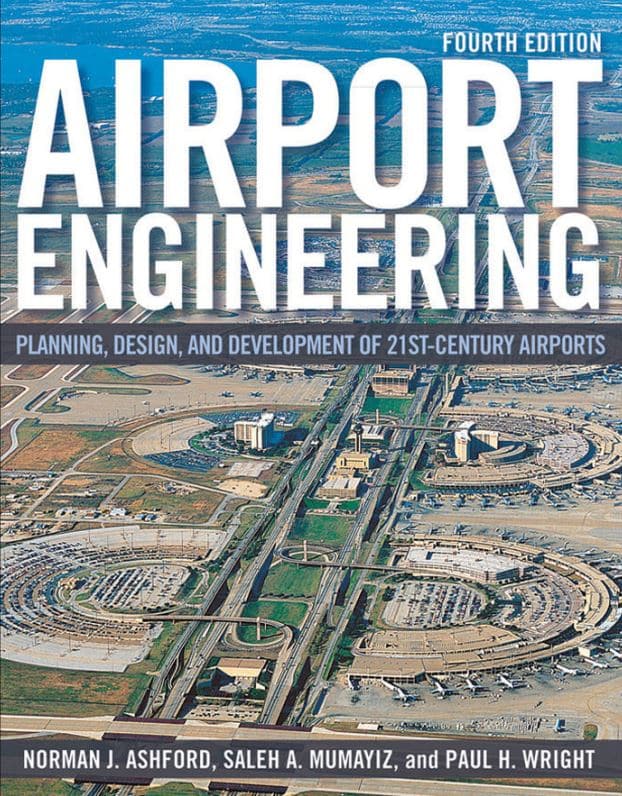
The Modern Airport Terminal 2nd Edition: Engineering, Design, Smart Technology, and Future Aviation Infrastructure ✈️🏗️🌍
Introduction ✈️🌐
Modern airport terminals are among the most advanced engineering structures in the world. They combine architecture, transportation systems, structural engineering, digital technology, environmental science, logistics, safety systems, and passenger experience into one integrated infrastructure network. Airports are no longer just buildings where passengers board aircraft. They are now intelligent transportation hubs designed to support millions of travelers, massive cargo movement, high-level security operations, and sustainable development goals.
The phrase “Modern Airport Terminal” represents a new generation of aviation infrastructure that focuses on automation, sustainability, efficiency, passenger comfort, and smart technology integration. Engineers today design airport terminals to operate almost like smart cities. These facilities include automated baggage systems, artificial intelligence-based security checks, biometric identification, advanced HVAC systems, energy-efficient lighting, intelligent traffic flow management, and large-scale structural systems capable of handling extreme operational demands.
The second edition concept reflects the evolution of airport terminals from traditional designs toward highly connected, data-driven, environmentally responsible infrastructures. As air travel continues to grow in the United States, United Kingdom, Canada, Australia, and Europe, engineers face increasing pressure to build airport terminals that are faster, safer, smarter, and greener.
Airport terminal engineering is an interdisciplinary field. Civil engineers design foundations and runways. Structural engineers create massive roof systems and seismic-resistant structures. Electrical engineers manage power systems and lighting networks. Mechanical engineers develop climate control systems. Software engineers build automation systems. Environmental engineers focus on sustainability and emissions reduction. Transportation engineers optimize passenger and vehicle movement.
Today’s airport terminals also serve economic and social functions. A modern airport can become the center of tourism, business growth, international trade, and urban development. Large airports generate thousands of jobs and contribute billions of dollars to national economies.
This article explores the engineering principles, technologies, systems, operational methods, and future trends behind modern airport terminals. It is written for both beginners and advanced engineering readers, making it useful for students, aviation professionals, infrastructure planners, and engineers interested in transportation systems.
Background Theory 🏢📚✈️
Airport terminals evolved significantly over the last century. Early airport terminals were simple buildings with limited passenger facilities and basic operational systems. Air travel during the early 20th century was expensive and uncommon, so airports were small and functional rather than technologically advanced.
As aviation expanded after World War II, passenger numbers increased rapidly. Engineers began designing larger terminals capable of supporting jet aircraft, longer runways, advanced radar systems, and higher passenger traffic.
By the 1970s and 1980s, airports became major transportation centers. This period introduced:
- Large terminal halls 🏛️
- Automated baggage systems 🎒
- Jet bridges ✈️
- Air traffic control modernization 📡
- Security screening systems 🔍
- Multi-level transportation access 🚆🚗
The late 1990s and early 2000s introduced digital transformation. Airport terminals began integrating:
- Computerized check-in systems 💻
- Electronic ticketing 🎫
- Passenger information displays 📺
- Advanced security monitoring 🎥
- Building management systems ⚙️
- Intelligent surveillance systems 🛰️
Today, airport terminals represent complex engineering ecosystems. The focus is no longer only transportation efficiency but also sustainability, passenger psychology, resilience, cyber security, automation, and smart city integration.
Several engineering theories influence airport terminal development:
Systems Engineering Theory ⚙️
Airport terminals function as interconnected systems. Each subsystem affects another subsystem. For example:
- Passenger flow affects security operations.
- Security affects boarding efficiency.
- HVAC systems affect energy consumption.
- Baggage systems affect airline schedules.
- IT systems affect operational coordination.
Systems engineering ensures all airport operations work together efficiently.
Human Factors Engineering 👥
Human behavior strongly influences airport design. Engineers study:
- Passenger walking speed 🚶
- Stress levels 😰
- Queue formation ⏳
- Visibility and navigation 👀
- Accessibility ♿
- Emergency response behavior 🚨
These studies improve comfort, safety, and operational efficiency.
Sustainable Infrastructure Theory 🌱
Modern terminals must minimize environmental impact through:
- Renewable energy ☀️
- Carbon reduction 🌍
- Water recycling 💧
- Sustainable materials 🧱
- Waste management ♻️
- Green roofs 🌿
Smart Infrastructure Theory 🤖
Smart airport terminals rely on:
- Sensors 📡
- IoT devices 🌐
- Artificial intelligence 🧠
- Big data analytics 📊
- Cloud computing ☁️
- Real-time monitoring systems ⏱️
These technologies improve operational decision-making.
Technical Definition 🏗️📘
A modern airport terminal is a technologically integrated aviation infrastructure facility designed to process passengers, baggage, cargo, and airport operations efficiently through advanced engineering systems, digital technologies, transportation integration, security mechanisms, and sustainable architectural design.
From an engineering perspective, an airport terminal includes:
| Engineering Component | Primary Function |
|---|---|
| Structural System | Supports building loads |
| HVAC System | Controls indoor climate |
| Electrical Network | Powers all systems |
| Security Infrastructure | Ensures passenger safety |
| Baggage Handling System | Moves and sorts luggage |
| ICT Infrastructure | Communication and data systems |
| Passenger Flow System | Organizes movement |
| Fire Protection System | Emergency safety response |
| Transportation Links | Connects airport to cities |
| Sustainability Systems | Reduces environmental impact |
Modern terminals are designed according to international aviation standards established by organizations such as:
- International Civil Aviation Organization (ICAO)
- International Air Transport Association (IATA)
- Federal Aviation Administration (FAA)
- European Union Aviation Safety Agency (EASA)
These standards regulate:
- Safety requirements
- Structural design
- Passenger handling
- Accessibility
- Security operations
- Environmental performance
- Runway and taxiway integration
Step-by-Step Explanation of Modern Airport Terminal Engineering 🏗️✈️⚙️
Site Selection and Planning 📍
The first step in airport terminal development is selecting an appropriate location.
Engineers evaluate:
- Land availability
- Wind direction 🌬️
- Geological conditions 🪨
- Population growth 📈
- Noise impact 🔊
- Transportation access 🚆
- Environmental regulations 🌿
- Airspace restrictions ✈️
A poor site selection can create operational problems for decades.
Master Planning 🗺️
Airport master planning defines long-term expansion strategies.
Key planning elements include:
- Runway placement
- Taxiway networks
- Passenger terminals
- Cargo facilities
- Parking systems
- Rail connections
- Fuel storage systems
- Emergency zones
Master planning often predicts airport growth for 20–50 years.
Architectural Design 🏢
Airport architecture combines functionality and aesthetics.
Design goals include:
- Efficient passenger movement
- Natural lighting ☀️
- Open interior spaces
- Easy navigation
- Noise reduction
- Brand identity
- Structural efficiency
Large-span roof systems are common because terminals require wide open spaces without many internal columns.
Structural Engineering 🏗️
Structural engineers design frameworks capable of supporting:
- Roof loads
- Wind loads 🌪️
- Earthquake forces 🌎
- Snow loads ❄️
- Mechanical equipment
- Large crowds
Common structural materials include:
| Material | Advantages |
|---|---|
| Steel | High strength and flexibility |
| Reinforced concrete | Durability and fire resistance |
| Glass systems | Natural lighting |
| Composite materials | Lightweight structures |
| Aluminum | Corrosion resistance |
Engineers use finite element analysis (FEA) to simulate structural behavior.
Mechanical Systems Engineering ❄️🔥
Modern airport terminals require advanced mechanical systems.
These include:
- HVAC systems
- Ventilation systems
- Smoke extraction systems
- Escalators
- Elevators
- Moving walkways
- Plumbing systems
- Water treatment systems
HVAC systems are especially important because terminals operate 24/7 with thousands of occupants.
Electrical Engineering ⚡
Airport terminals consume enormous amounts of electricity.
Electrical systems include:
- Power distribution
- Backup generators
- Emergency lighting
- Airfield lighting
- Digital signage
- Data centers
- Security equipment
- Charging stations 🔋
Power redundancy is critical because airports cannot tolerate system failure.
Information Technology Systems 💻🌐
Modern airports depend heavily on IT infrastructure.
Key systems include:
- Flight information displays
- Biometric identification
- Self-check-in kiosks
- Cyber security systems
- Passenger Wi-Fi
- AI monitoring
- Smart cameras
- Cloud-based operational systems
Airports increasingly use artificial intelligence for predictive maintenance and passenger flow optimization.
Baggage Handling Systems 🎒⚙️
Baggage systems are highly automated.
The process typically includes:
- Passenger check-in
- Barcode or RFID tagging
- Conveyor transportation
- Security scanning
- Sorting systems
- Aircraft loading
- Arrival unloading
- Passenger retrieval
Advanced baggage systems can process thousands of bags per hour.
Security Engineering 🔒🛂
Security systems are critical in modern terminals.
Technologies include:
- X-ray scanning
- Biometric verification
- AI threat detection
- Facial recognition
- Explosive detection systems
- Access control systems
- Cyber security monitoring
Security engineering balances safety and passenger convenience.
Sustainability Integration 🌱♻️
Sustainable airport terminals reduce energy consumption and emissions.
Key sustainability features include:
- Solar panels ☀️
- Smart lighting 💡
- Rainwater harvesting 💧
- Natural ventilation 🌬️
- Green roofs 🌿
- Energy-efficient glazing
- Low-carbon materials
Many airports aim for LEED certification.
Comparison Between Traditional and Modern Airport Terminals ⚖️✈️
| Feature | Traditional Terminal | Modern Terminal |
|---|---|---|
| Check-in | Manual counters | Self-service kiosks |
| Security | Basic screening | AI-assisted systems |
| Navigation | Static signs | Smart digital guidance |
| Energy Usage | High consumption | Smart energy management |
| Baggage Handling | Semi-automated | Fully automated |
| Passenger Experience | Functional | Experience-focused |
| Sustainability | Limited | High environmental focus |
| Data Systems | Local systems | Cloud-integrated systems |
| Building Materials | Conventional concrete | Advanced composites and glass |
| Transportation | Road-focused | Multi-modal integration |
Advantages of Modern Terminals ✅
- Faster passenger processing
- Improved safety
- Reduced operational costs
- Better sustainability performance
- Enhanced traveler experience
- Higher operational flexibility
Disadvantages ⚠️
- High construction costs 💰
- Complex maintenance requirements
- Cyber security risks 🔓
- Dependence on digital systems
- Large energy demand during peak periods
Diagrams and Engineering Tables 📊📐
Simplified Passenger Flow Diagram 🚶✈️
Arrival at Airport
        ↓
Check-In Counter / Self Kiosk
        ↓
Security Screening
        ↓
Immigration Control
        ↓
Departure Lounge
        ↓
Boarding Gate
        ↓
Aircraft Boarding
Simplified Baggage Handling Diagram 🎒
Check-In
   ↓
RFID Tagging
   ↓
Conveyor System
   ↓
Security Scanning
   ↓
Automated Sorting
   ↓
Aircraft Loading
Major Airport Engineering Disciplines 🏗️
| Discipline | Responsibilities |
|---|---|
| Civil Engineering | Foundations, pavements, drainage |
| Structural Engineering | Terminal framework |
| Mechanical Engineering | HVAC and plumbing |
| Electrical Engineering | Power and lighting |
| Software Engineering | Automation systems |
| Environmental Engineering | Sustainability systems |
| Transportation Engineering | Traffic flow management |
| Fire Protection Engineering | Emergency safety systems |
Typical Airport Terminal Zones 🏢
| Zone | Main Purpose |
|---|---|
| Public Area | Passenger entry |
| Check-In Area | Ticket and baggage processing |
| Security Area | Screening operations |
| Airside Area | Boarding operations |
| Retail Area | Commercial services |
| Baggage Claim | Arrival baggage retrieval |
| Operations Center | Airport management |
| Maintenance Area | Technical support |
Examples of Modern Airport Terminals 🌍✈️
Singapore Changi Airport 🇸🇬
Singapore Changi Airport is famous for combining engineering and passenger experience.
Features include:
- Automated systems
- Smart navigation
- Indoor gardens 🌿
- Energy-efficient systems
- Large-span architecture
- Advanced baggage automation
Heathrow Terminal 5 🇬🇧
Heathrow Terminal 5 demonstrates large-scale structural engineering.
Engineering highlights:
- Massive steel roof structure
- Advanced rail integration 🚆
- Smart baggage systems
- High-capacity passenger flow management
Denver International Airport 🇺🇸
Denver International Airport is known for its unique tensile roof structure.
Engineering features:
- Membrane roofing systems
- Large HVAC infrastructure
- Snow-resistant design ❄️
- Smart runway management
Hamad International Airport 🇶🇦
This airport demonstrates luxury-focused terminal engineering.
Key systems include:
- Automated passenger systems
- Smart security systems
- Large energy infrastructure
- High-end architectural finishes
Istanbul Airport 🇹🇷
One of the world’s largest airport terminals.
Engineering characteristics:
- Mega-span structural systems
- Advanced logistics integration
- AI-supported operations
- Large passenger processing capacity
Real World Applications 🌎🚀
Modern airport terminal engineering impacts many industries.
Tourism Industry 🧳
Efficient airports increase tourism growth by:
- Reducing travel delays
- Improving passenger satisfaction
- Supporting international connectivity
Global Trade 📦
Cargo terminals support:
- International shipping
- E-commerce distribution
- Medical supply transportation
- Industrial logistics
Smart City Integration 🏙️
Airports connect with:
- Metro systems 🚇
- High-speed rail 🚄
- Smart highways 🛣️
- Digital traffic systems
Emergency Operations 🚨
Airports support:
- Disaster response
- Medical evacuation
- Military logistics
- Humanitarian aid delivery
Environmental Innovation 🌱
Airports increasingly act as laboratories for sustainable infrastructure.
Examples include:
- Hydrogen energy systems
- Electric ground vehicles ⚡
- Solar farms ☀️
- Carbon-neutral operations
Common Mistakes in Airport Terminal Engineering ❌🏗️
Poor Passenger Flow Design 🚶
One of the biggest mistakes is designing inefficient movement paths.
Problems include:
- Long walking distances
- Congestion
- Queue bottlenecks
- Confusing navigation
Underestimating Future Growth 📈
Some airports become overcrowded because planners underestimate future demand.
This creates:
- Delays
- Capacity shortages
- Operational inefficiency
Weak IT Infrastructure 💻
Modern airports depend on digital systems.
Weak IT planning can cause:
- System crashes
- Security vulnerabilities
- Passenger delays
- Data management failures
Ignoring Sustainability 🌍
Old design approaches often ignored environmental impact.
Consequences include:
- High operational costs
- Large carbon emissions
- Regulatory penalties
Insufficient Emergency Planning 🚨
Airports must prepare for:
- Fires
- Terrorism threats
- Power failures
- Severe weather
- Cyber attacks
Weak emergency systems can create catastrophic failures.
Challenges and Solutions ⚙️🛠️
Challenge: Increasing Passenger Traffic 👥
Global passenger numbers continue to grow.
Solution ✅
Engineers use:
- Automation
- Smart scheduling
- AI passenger analytics
- Expanded terminal layouts
Challenge: Carbon Emissions 🌍
Airports consume significant energy.
Solution ✅
Sustainable technologies include:
- Solar power
- LED lighting
- Electric buses
- Green construction materials
Challenge: Cyber Security 🔐
Smart airports face cyber threats.
Solution ✅
Protection methods include:
- Encrypted networks
- AI threat monitoring
- Redundant data centers
- Security audits
Challenge: Construction Costs 💰
Modern airport terminals are extremely expensive.
Solution ✅
Cost optimization strategies include:
- Modular construction
- BIM technology
- Digital simulations
- Lifecycle cost analysis
Challenge: Passenger Stress 😰
Travelers often experience anxiety.
Solution ✅
Modern terminals improve experience through:
- Natural lighting ☀️
- Quiet zones 🤫
- Smart wayfinding
- Comfortable seating
- Entertainment systems
Case Study: Heathrow Terminal 5 Engineering Analysis 🇬🇧✈️
Heathrow Terminal 5 is one of the most significant airport engineering projects in Europe.
Project Overview 📋
- Location: London, United Kingdom
- Opened: 2008
- Cost: Billions of dollars
- Capacity: Tens of millions of passengers annually
Engineering Objectives 🎯
The project aimed to:
- Reduce congestion
- Improve passenger experience
- Increase operational efficiency
- Support future expansion
Structural Engineering 🏗️
The terminal includes a massive steel roof system.
Engineering challenges included:
- Large unsupported spans
- Heavy passenger loads
- Complex mechanical integration
Engineers used advanced computer modeling to analyze structural performance.
Baggage System Challenges 🎒
Terminal 5 initially faced baggage handling problems.
Main causes included:
- Software integration issues
- Operational coordination problems
- Staff training limitations
Solutions Implemented ✅
Airport operators improved:
- System testing
- Staff training
- Software optimization
- Maintenance coordination
Lessons Learned 📚
The case study demonstrates that:
- Technology integration must be carefully tested.
- Human training is as important as automation.
- Large infrastructure projects require phased implementation.
- Operational readiness is critical.
Tips for Engineers 👷📘✨
Learn Interdisciplinary Skills 🔧
Airport engineering requires knowledge from multiple disciplines.
Students should study:
- Structural engineering
- Transportation systems
- Environmental systems
- Digital technologies
- Project management
Master Building Information Modeling (BIM) 💻
BIM is essential in modern infrastructure projects.
Benefits include:
- Better coordination
- Reduced errors
- Improved visualization
- Faster project delivery
Understand Human Behavior 👥
Passenger psychology affects airport performance.
Engineers should learn:
- Crowd management
- Human factors engineering
- Accessibility standards
- Behavioral analysis
Focus on Sustainability 🌱
Future airports will prioritize carbon reduction.
Important skills include:
- Energy modeling
- Renewable energy integration
- Sustainable material selection
- Water conservation systems
Develop Communication Skills 🗣️
Airport projects involve:
- Governments
- Airlines
- Contractors
- Architects
- Engineers
- Public stakeholders
Strong communication improves project success.
Learn Smart Infrastructure Systems 🤖
Future airports will rely heavily on automation.
Useful areas include:
- Artificial intelligence
- Internet of Things
- Data analytics
- Cyber security
- Automation systems
Future Trends in Modern Airport Terminals 🚀🌍
Biometric Travel Systems 👁️
Future passengers may travel using only facial recognition.
Benefits include:
- Faster boarding
- Reduced queues
- Improved security
Fully Automated Terminals 🤖
Automation may handle:
- Check-in
- Security screening
- Boarding
- Baggage movement
- Cleaning systems
Sustainable Aviation Infrastructure 🌱
Future terminals may include:
- Net-zero energy systems
- Hydrogen infrastructure
- Smart glass technology
- Carbon capture systems
Urban Air Mobility 🚁
Airports may integrate:
- Electric vertical takeoff aircraft
- Drone logistics
- Air taxi systems
Digital Twin Technology 🖥️
Digital twins create virtual airport models.
Benefits include:
- Predictive maintenance
- Real-time monitoring
- Operational simulations
- Energy optimization
AI-Driven Operations 🧠
Artificial intelligence will improve:
- Scheduling
- Security detection
- Passenger routing
- Maintenance planning
- Weather adaptation
Detailed Engineering Analysis of Airport Subsystems ⚙️🏗️
Runway and Terminal Coordination ✈️
The airport terminal cannot operate independently from runway systems.
Engineers must coordinate:
- Aircraft parking positions
- Taxiway access
- Gate scheduling
- Ground service operations
Poor coordination increases delays and fuel consumption.
Gate Engineering 🛫
Modern gates include:
- Passenger boarding bridges
- Fuel systems
- Ground power units
- Data communication systems
- Safety monitoring systems
Gate spacing depends on aircraft size.
Acoustic Engineering 🔊
Airport terminals are noisy environments.
Acoustic engineers reduce noise using:
- Sound-absorbing materials
- Double glazing
- Acoustic insulation
- Smart ceiling systems
Fire Safety Engineering 🔥
Airports require advanced fire protection systems.
These include:
- Sprinkler systems
- Smoke control systems
- Emergency exits
- Fire-resistant materials
- Emergency communication systems
Vertical Transportation Engineering 🛗
Large terminals use:
- Elevators
- Escalators
- Moving walkways
- Service lifts
Engineers calculate passenger movement rates carefully.
Water Management Systems 💧
Airport terminals consume large quantities of water.
Modern systems include:
- Water recycling
- Rainwater collection
- Smart leak detection
- Efficient plumbing fixtures
Importance of Airport Terminals in National Development 🌍📈
Airport terminals contribute significantly to national economies.
Economic Growth 💵
Modern airports attract:
- International businesses
- Investors
- Tourism
- Logistics companies
Employment Opportunities 👷
Airports create jobs in:
- Engineering
- Aviation
- Security
- Retail
- Maintenance
- Hospitality
International Connectivity 🌐
Efficient terminals improve:
- Global trade
- Diplomatic relations
- Cultural exchange
- Educational opportunities
Regional Development 🏙️
Many cities grow rapidly around major airports.
This leads to:
- New business districts
- Transportation expansion
- Residential development
- Industrial growth
Airport Terminal Materials Engineering 🧱⚙️
Material selection is critical in airport construction.
Steel Structures 🏗️
Steel offers:
- High strength
- Long-span capability
- Fast construction
- Design flexibility
Reinforced Concrete 🪨
Concrete provides:
- Fire resistance
- Durability
- Vibration reduction
- Structural stability
Glass Facades 🪟
Glass systems improve:
- Natural lighting
- Passenger comfort
- Architectural appearance
Modern glass technologies also improve thermal performance.
Composite Materials ⚡
Advanced composites reduce:
- Structural weight
- Maintenance needs
- Corrosion problems
Airport Terminal Construction Process 🚧🏗️
Phase 1: Feasibility Study 📋
Engineers evaluate:
- Financial viability
- Environmental impact
- Passenger demand
- Technical challenges
Phase 2: Conceptual Design ✏️
Architects and engineers create:
- Layout plans
- Structural concepts
- Passenger flow models
Phase 3: Detailed Engineering 📐
Detailed calculations include:
- Structural analysis
- HVAC design
- Electrical systems
- Fire protection systems
Phase 4: Construction 🚜
Construction activities include:
- Earthworks
- Foundation construction
- Steel erection
- Mechanical installation
- IT integration
Phase 5: Testing and Commissioning ✅
Before operation, engineers test:
- Safety systems
- Baggage systems
- Power systems
- Security systems
- Emergency procedures
Airport Sustainability and Green Engineering 🌿♻️
Carbon Reduction Strategies 🌍
Modern airports reduce emissions using:
- Renewable energy
- Electric vehicles
- Efficient HVAC systems
- Smart energy monitoring
Green Building Certifications 🏢
Many airports target certifications such as:
- LEED
- BREEAM
- Green Star
Renewable Energy Integration ☀️
Some airports install:
- Solar farms
- Wind turbines
- Geothermal systems
Waste Management ♻️
Modern terminals use:
- Recycling systems
- Smart waste bins
- Composting systems
- Waste-to-energy solutions
Frequently Asked Questions ❓✈️
What is the main purpose of an airport terminal?
An airport terminal processes passengers, baggage, and airport operations efficiently while providing safety, comfort, and transportation connectivity.
Why are modern airport terminals expensive?
They require advanced engineering systems, large structures, digital infrastructure, security systems, sustainability technologies, and complex transportation integration.
What engineering fields are involved in airport terminal projects?
Airport terminals involve civil, structural, mechanical, electrical, environmental, transportation, software, and fire protection engineering.
How does automation improve airport terminals?
Automation reduces delays, improves efficiency, increases safety, enhances passenger experience, and lowers operational costs.
What is a smart airport terminal?
A smart airport terminal uses digital technologies such as AI, IoT, sensors, automation, and real-time analytics to improve airport operations.
How do airport terminals support sustainability?
They reduce environmental impact through renewable energy, efficient systems, smart lighting, water recycling, and sustainable materials.
What are the biggest challenges in airport engineering?
Major challenges include high costs, passenger growth, cyber security risks, environmental regulations, and operational complexity.
What skills should future airport engineers learn?
Important skills include BIM, AI systems, sustainability engineering, data analysis, project management, and interdisciplinary collaboration.
Conclusion ✈️🌍🏗️
The modern airport terminal represents one of the greatest achievements in contemporary engineering. These structures combine architecture, transportation systems, digital technologies, sustainability strategies, and human-centered design into highly sophisticated operational ecosystems.
Airport terminals today are much more than transportation buildings. They are smart infrastructure platforms that connect cities, countries, economies, and people. Engineers working in airport development must understand structural systems, digital infrastructure, sustainability principles, security operations, transportation planning, and human behavior.
As aviation continues evolving, airport terminals will become even more intelligent, automated, sustainable, and interconnected. Future terminals may operate using artificial intelligence, biometric systems, digital twins, renewable energy networks, autonomous transportation, and carbon-neutral technologies.
For engineering students and professionals, airport terminal engineering offers exciting opportunities across multiple disciplines. It is a field that combines creativity, technical knowledge, innovation, and large-scale problem solving.
Whether designing baggage systems, analyzing structural loads, optimizing passenger flow, improving sustainability, or integrating AI technologies, engineers play a central role in shaping the future of global aviation.
The second generation of modern airport terminals demonstrates how engineering continues transforming transportation infrastructure into smarter, safer, greener, and more efficient systems for the future of humanity ✈️🚀🌍