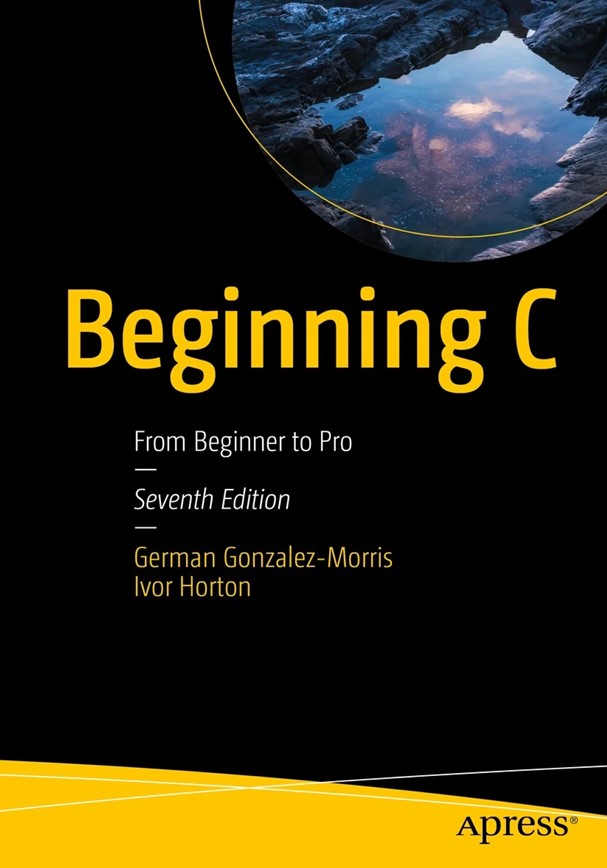
Clean Code Cookbook: Recipes to Improve the Design and Quality of your Code
Introduction
Writing software is not just about making it work—it’s about making it readable, maintainable, and scalable for future developers. This is where the philosophy of clean code comes in. Inspired by Robert C. Martin’s famous book Clean Code, the concept emphasizes writing code that is easy to understand, modify, and extend without introducing unnecessary complexity.
Clean code matters because your code is read far more often than it is written. Every developer who comes after you—whether it’s your teammates, future hires, or even yourself six months later—will benefit from clarity. Messy, cryptic code slows teams down, creates bugs, and burns resources.
In this Clean Code Cookbook, we provide practical guidelines, examples, and real-world applications you can directly apply to your projects. Whether you are a beginner learning best practices or an experienced developer trying to level up, this guide will help you transform your coding habits and deliver professional-grade software.
Why Clean Code Matters
The Hidden Costs of Messy Code
Software development is more than solving immediate problems. It’s also about ensuring long-term value. Code is an investment, and messy code quickly turns into technical debt—something that costs you more in the future.
Key reasons why clean code is essential:
Collaboration: Code is read 10x more often than it is written. If teammates can’t understand it, productivity collapses.
Longevity: Most projects outlive their original developers. Clean structures ensure smooth handoffs.
Scalability: A well-structured foundation makes it easier to add features.
Reduced Bugs: Ambiguous code hides errors. Clean code makes bugs obvious.
📊 A 2012 Cambridge University study found that developers spend up to 70% of their time understanding existing code. That’s time wasted if the code is unreadable. Clean code isn’t just nice to have—it’s a business advantage.
Core Principles of Clean Code
The philosophy of clean code can be boiled down into a handful of timeless principles. Let’s break them down.
1. Use Meaningful Names
Good names express intent.
❌
x = 100✅
MAX_LOGIN_ATTEMPTS = 100
Variables, classes, and methods should tell you why they exist. If someone needs to look at the implementation to understand the name, it’s not good enough.
Tips for Good Naming
Prefer descriptive over short names (
customer_repository>cr).Avoid mental mapping (don’t use single letters unless in loops).
Use consistent patterns (
getUser()andsetUser()instead of random verbs).
2. Functions Should Do One Thing
Functions should have a single responsibility. When a function tries to do multiple things—validation, calculation, and logging all at once—it becomes impossible to maintain.
❌ God Function:
✅ Clean Functions:
3. Comments Are a Last Resort
If your code needs comments to be understood, it’s often a sign the code itself isn’t clear.
❌
✅
Use comments for why, not what.
4. Consistency
Consistency builds trust. A project with mixed naming, indentation, and formatting patterns confuses developers.
Adopt a style guide (PEP8 for Python, ESLint for JavaScript, etc.).
Use linters and formatters to enforce rules automatically.
Standardize naming, indentation, and file structure.
5. Error Handling Gracefully
Messy exception handling leads to crashes or silent failures.
❌ Bad:
✅ Good:
Errors should be handled explicitly and transparently.
6. Keep It Simple (KISS)
Overengineering kills projects. Don’t introduce abstractions, patterns, or frameworks until they’re truly needed.
Avoid premature optimization.
Stick to the simplest solution that works.
7. Don’t Repeat Yourself (DRY)
Duplication is the enemy of maintainability. If the same logic is in three places, fixing a bug requires changing it three times.
✅ Extract repeated logic into reusable functions or classes.
Practical Recipes for Clean Code
Recipe 1: Refactor a Giant Function
Turn a 500-line monster into smaller, testable chunks.
Recipe 2: Introduce a Style Guide
Set up automated formatting (Black for Python, Prettier for JavaScript) to keep your team consistent.
Recipe 3: Write Expressive Tests
Unit tests double as documentation. If tests read like a story, your codebase becomes self-explanatory.
Common Challenges and Solutions
| Challenge | Solution |
|---|---|
| Legacy code full of bad practices | Refactor gradually using unit tests |
| Pressure to deliver quickly | Educate stakeholders on long-term savings |
| Team inconsistency | Adopt a style guide and enforce with CI |
| Over-commenting | Write self-explanatory code |
Case Study: Clean Code in a Real Project
A fintech startup inherited a payment system where functions exceeded 500 lines. Developers spent days debugging a single error.
After applying clean code principles:
Functions reduced to < 50 lines.
Bugs dropped by 40%.
Onboarding time for new hires decreased from 3 weeks to 1 week.
Development speed increased by 30%.
This transformation wasn’t overnight. It took incremental refactoring, adoption of a team style guide, and introducing unit tests. But the long-term payoff was undeniable.
Tools for Writing Clean Code
Linters & Formatters: ESLint, Pylint, Black, Prettier
Code Review Tools: GitHub PRs, GitLab, Crucible
Static Analysis Tools: SonarQube, CodeClimate
Test Frameworks: pytest, JUnit, Jest
Tips for Writing Clean Code
Refactor often—don’t wait for “big rewrites.”
Write tests before refactoring.
Apply SOLID principles.
Use meaningful commits and pull requests.
Learn from reading open-source projects.
FAQs On Clean Code Cookbook
Q1: What is clean code in simple terms?
A: Code that is easy to read, understand, and maintain.
Q2: Do I need comments if my code is clean?
A: Use comments for why, not what.
Q3: Is clean code slower?
A: No. Clean code can be just as efficient while being far easier to maintain.
Q4: Can legacy projects be refactored into clean code?
A: Yes, but it should be done gradually with tests.
Conclusion
Clean code is not about perfection—it’s about discipline, clarity, and collaboration. By applying these principles, you can reduce bugs, onboard teammates faster, and build software that lasts.
Think of this cookbook as a set of recipes you can apply immediately: rename variables, break functions down, add automated checks, and refactor step by step. Over time, these small habits compound into a codebase that is robust, scalable, and enjoyable to work with.