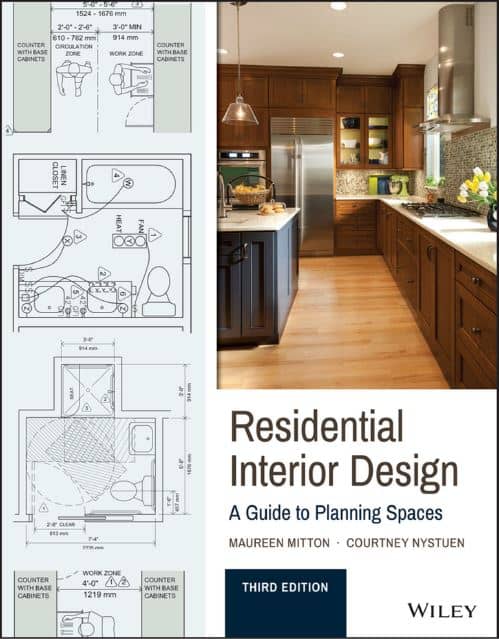
Managing the Building Design Process 2nd Edition
Introduction to Managing the Building Design Process 2nd Edition
Managing the building design process is a critical step in ensuring that architectural projects meet both client expectations and regulatory standards. From initial planning to the final touches, a well-organized design process helps avoid costly mistakes and ensures timely delivery. This article will explore the key phases, best practices, and tools necessary for effective management of the building design process.
What Is the Building Design Process?
The building design process involves the planning, conceptualization, and execution of construction projects. It combines architectural innovation with structural functionality, ensuring that the end product is safe, sustainable, and visually appealing.
Design isn’t just about making a structure look good—it’s a strategic approach that integrates user needs, environmental impact, budget constraints, and technical standards. The process typically involves multiple revisions and stakeholder input to arrive at a cohesive solution that satisfies all requirements.
Whether it’s a residential home, a commercial complex, or a public infrastructure project, each design must be tailored to its purpose and context. This requires careful analysis of the site, surrounding environment, end users, and long-term goals of the client or organization.
Key Phases of the Building Design Process
Conceptual Design
This is where ideas start to take shape. Architects and designers brainstorm possibilities, conduct feasibility studies, and produce rough sketches. Key factors considered include the purpose of the building, site constraints, zoning laws, and initial client preferences.
Schematic Design
In this phase, the design team translates concepts into actual spatial layouts. Floor plans, sections, and elevations are created to outline how spaces will be organized. At this stage, basic construction systems are proposed, and initial cost estimates are reviewed.
Design Development
Building on the schematic design, this stage refines every aspect—materials, finishes, structural systems, HVAC, lighting, and acoustics. Consultants such as engineers and interior designers often become more involved here. The goal is to finalize the design in preparation for documentation.
Construction Documentation
This phase includes the creation of comprehensive technical drawings and specifications used by contractors to execute the project. Accuracy is vital, as these documents guide every detail during construction. Permits are often obtained during this phase.
Construction Administration
Once construction begins, the design team plays an oversight role—conducting site visits, addressing issues, and ensuring the build stays true to the design intent. This phase also involves approving shop drawings, materials, and change orders.
Roles and Responsibilities in the Design Process
Architects
They serve as the creative and technical leads, balancing aesthetics with function. They’re responsible for design integrity and client satisfaction.
Engineers
Structural, mechanical, electrical, and civil engineers ensure the project adheres to safety standards, complies with codes, and performs reliably.
Project Managers
They are the glue that holds everything together, overseeing timelines, budgets, and communication among stakeholders.
Clients
Their role is to articulate goals, approve designs, and make critical decisions throughout the process. Engaged clients often lead to better outcomes.
Contractors
Though not part of the early design process, their input can be invaluable during the design development and documentation stages, especially regarding cost and buildability.
Common Challenges in Managing the Design Process
Managing a design project comes with numerous potential pitfalls:
Budget Overruns
Without detailed cost analysis and contingency planning, projects can easily exceed financial constraints.
Stakeholder Misalignment
Differing priorities or unclear communication can result in misunderstandings or rework.
Regulatory Compliance
Navigating building codes, zoning requirements, and permitting processes can be complex and time-consuming.
Site Conditions
Unforeseen conditions like soil issues, existing utilities, or environmental hazards can derail plans.
Scope Creep
When clients add requirements mid-project without adjusting timelines or budgets, teams may become overstretched.
Best Practices for Managing the Building Design Process
Set Clear Objectives
Defining scope, timeline, and deliverables early prevents miscommunication and sets expectations.
Leverage Technology
Use tools like CAD, BIM, and cloud-based collaboration platforms to increase precision and efficiency.
Engage Stakeholders Early
Early collaboration avoids surprises later. Conduct kickoff meetings and design charrettes to gather input.
Conduct Regular Reviews
Frequent checkpoints help catch issues early. Design audits and peer reviews are useful for maintaining quality.
Emphasize Sustainability
Implementing passive design strategies, green materials, and efficient systems improves long-term performance and compliance.
Build Flexibility into Plans
Adaptive design can accommodate future changes and unforeseen constraints without major redesign.
Tools and Software for Streamlining the Design Process
Technology plays a critical role in enhancing coordination, reducing errors, and speeding up workflow. Common tools include:
AutoCAD
Standard software for 2D drafting and detailed plans.
Revit
A robust BIM tool for 3D modeling and integrated project delivery.
SketchUp
Useful for quick visualization and client presentations.
Procore
Helps manage documentation, schedules, and communication between construction teams.
Bluebeam Revu
Ideal for reviewing and annotating PDFs, tracking revisions, and collaborating remotely.
Rhino & Grasshopper
Powerful tools for parametric and algorithmic design, particularly in complex or custom geometries.
Trello, Asana, or Monday.com
Project management platforms that help keep teams aligned on tasks and deadlines.
Benefits of Efficient Building Design Management
Cost Efficiency
Well-managed projects avoid expensive mistakes and reduce change orders.
Higher Quality Designs
Coordinated efforts and clear goals result in more thoughtful and integrated solutions.
Faster Project Delivery
Streamlined workflows reduce delays, keeping projects on schedule.
Reduced Risk
Proactive planning and review processes lower the chance of major issues during construction.
Stakeholder Confidence
Clients and investors gain trust in the team’s ability to deliver.
Sustainability and Compliance
Early integration of codes and green strategies avoids legal or environmental setbacks.
FAQs About Managing the Building Design Process 2nd Edition
1. What is the role of project management in the design process?
Project management ensures that all phases of the design process run smoothly by coordinating teams, managing budgets, and mitigating risks. It brings structure and clarity to a complex, often fragmented, workflow.
2. How can Building Information Modeling (BIM) improve the process?
BIM enhances collaboration, provides 3D visualizations, and ensures accuracy in designs. It allows real-time updates, clash detection, and integration across disciplines, reducing errors and improving buildability.
3. What are the most important skills for managing the design process?
Strong communication, problem-solving, technical proficiency, and an understanding of construction regulations are key skills. Leadership, attention to detail, and negotiation abilities also help navigate complex projects.
4. How can sustainability be integrated into building design?
Incorporating renewable materials, energy-efficient systems, passive solar design, and technologies like solar panels, green roofs, and rainwater harvesting can significantly reduce a building’s environmental impact.
5. What is the biggest challenge in managing a large design project?
Coordinating across multiple teams while staying within budget and meeting deadlines is often the most significant challenge. Managing scope, adapting to change, and maintaining quality adds to the complexity.
Conclusion
Effectively managing the building design process is essential for creating functional, sustainable, and visually appealing structures. By understanding the phases, roles, challenges, and tools involved, you can streamline workflows, improve collaboration, and achieve outstanding results.
The second edition of this guide emphasizes the growing importance of sustainability, technological integration, and agile project management. With the right approach, even the most complex architectural visions can be brought to life efficiently and successfully.
Start mastering the building design process today to deliver architectural excellence and client satisfaction every time.